Jan '22
The IUP Journal of Organizational Behavior
Archives
The Relationship Between Job Stress and Workplace Incivility: A Study Among Supermarket Staff in Da Nang City
Le Thi Khanh Ly
Lecturer, International School, Duy Tan University, Da Nang 550000, Vietnam; Institute of Research and Development, Duy Tan University, Da Nang 550000, Vietnam; and is the corresponding author.
E-mail: letkhanhly@dtu.edu.vn
Nguyen Thi Duong
Ph.D., International School, Duy Tan University, Da Nang 550000, Vietnam; Institute of Research and Development, Duy Tan University, Da Nang 550000, Vietnam. E-mail: duongyennguyen@gmail.com
Ho Tan Tuyen
Lecturer, Faculty of Business Administration, Duy Tan University, Da Nang 550000, Vietnam; Institute of Research and Development, Duy Tan University, Da Nang 550000, Vietnam.
E-mail: hotantuyen@gmail.com
The study identifies the factors contributing to stress and workplace incivility among employees of different supermarkets in Da Nang City by applying the SEM Linear Structural model. The findings of the study revealed that three out of the four variables statistically influenced the stress of employees at the workplace, namely, workplace overload variable, role conflict, and task completion ambiguity, while competency requirements had no significant impact on employee stress. Moreover, this study also examined the relationship between stress and incivility of employees at the workplace, and the results supported the significant direct relationship between these two variables. This study provides useful information to the managers in understanding the factors behind employee stress and incivility at the workplace. It can help managers in making appropriate policies, strategies and solutions to reduce staff's stress and incivility at the workplace.
Introduction
The work environment has rapidly changed over the years and has brought along numerous challenges for workers. Besides, stress at work, workplace incivility is also becoming more and more common. Workplace incivility refers to behaviors of employees that harm an organization or its members (Spector and Fox, 2002) and includes acts, such as theft, sabotage, verbal abuse, withholding of effort, lying, refusing to cooperate, and physical assault. However, there is no official study to determine the factors that create work stress to those who work in the supermarket industry and the effect of employee stress on incivility at the workplace in Da Nang City.
The study stems from the need to conduct research on theories about stress at work, identify the impact of factors on employee stress at work, find the relationship between work stress and workplace incivility, and make recommendations to reduce the stress of supermarket employees.
Literature Review
Stress at Work
The term "stress" was first coined by Selye (1936), in which stress is understood as the body's non-specific response to any change. Selye (1936) performed a lot of experiments on animals by altering the environmental conditions, such as heat, cold, light, noise, etc. In the long run, this can cause disease in the animals, and he experimented on diseases such as gastric ulcer, lymphatic tissue shrinkage, and adrenal hypertrophy. He later demonstrated that prolonged stress on humans can cause similar illnesses, such as heart attack, stroke, kidney disease, and rheumatism.
Stress is typically characterized as a process in which people engage with their environment and generate tension as a result of a number of conditions in the correct setting, ending in a single response. Individuals explain a situation objectively through their subjective perception of the situation and use this interpretation to determine the importance of the situation and whether the situation is negative or positive (Katz and Kahn, 1978; and Lazarus and Folkman, 1984). A series of direct responses is then performed following this evaluation. Different individuals may form different interpretations in similar environments and vice versa, and may react differently in the same situation (Beehr, 2000).
Furthermore, stress can be defined as a stimulus, also known as a stress trigger, that can occur when someone loses a job or a physiological response that has a negative influence on anxiety (Lazarus and Foltman, 1984). Lazarus and Foltman (1984) stated that stress is the relationship between man and the environment that is assessed as essential to that individual. Thus, it can be concluded that stress is the body's way of responding to unexpected situations that individuals face in the work environment and is often manifested by negative state.
Workplace Incivility
Incivility is a common phenomenon at the workplace and has far reaching implications for the effective performance of organizations (Pearson and Porath, 2009).
Christine et al. (2000) showed that incivility implies rudeness and contempt for others. Incivility is abuse that can lead to disconnection, breakdown of relationships, and erosion of empathy. In the workplace context, incivility leads to the violation of workplace norms for mutual respect, so cooperation and motivation can be broadly impeded.
According to Andersson and Pearson (1999), incivility is defined as low-intensity deviant behavior with unclear intent to harm the target, violating workplace rules about respecting each other. Uncivilized behaviors are characteristically rude and discourteous, displaying a lack of respect for others.
The problem of stress and workplace incivility has also been studied by many scholars around the world. One of the most common models for identifying and interpreting work stress is known as the Control-Needs model (Karasek, 1979; and Karasek and Theorell, 1990) which specified that excessive work requirements can affect pressure levels (especially psychological pressure). However, it is not an important factor in the creation of stress at work. Instead, people are faced with the control of assigned job requirements that contribute to the pressure. Therefore, Karasek (1979) introduced a model of interaction between job requirements and control that creates stress at work. In that model, the author assumed that stress is a function of two job attributes, namely, job demand and job control. The degree of psychological stress in job requirements is often defined as the occurrence of psychological stress in the working environment, such as workload, task difficulty level, and the pressure of its completion time. Contrarily, job control refers to an individual's chance to influence and control the work situation.
Beehr et al. (1976) studied a company that produced data on 79 men and 64 women, and found that working stress is positively correlated with work overload and the mission's ambiguity. Research has also shown the relationship between stress and personal traits.
Sathasivam et al. (2015) studied stress at work place at the managerial level in electronics companies in Malaysia. The study results showed that working stress was influenced by two main groups of factors: organizational factors (conflict and overload) and personal characteristics. This study is very beneficial for manufacturers and traders in electronic products because they not only identify the causes of stress but also understand the personal behavior of managers.
Rizzo et al. (1970) studied role stressors by developing questionnaires that addressed role conflict and job ambiguity. The results showed that role conflicts and ambiguity can lead to dissatisfaction, stress, and a tendency to leave the organization.
Igbaria and Guimaraes (1993) found four factors that lead to job satisfaction: job supervision, salary, co-workers, and promotion opportunities. Next, the research team also came up with two main factors that influence stress at work: role ambiguity and role conflict. This leads to an increase in the turnover rate and a decrease in employee engagement with the business. Research also showed the important role of personal characteristics in influencing the relationship between working stress and job satisfaction. The results also found that ambiguity in duties is also an important factor affecting employee satisfaction. Besides, work stress is also believed to be closely linked with age and educational background.
Naswall et al. (2008) conducted a study on 1,153 submitted questionnaires and obtained 916 responses (79% of total submitted questionnaires). In the study, women make up 64% of the total sample and the average age of the research sample is 46 years. Through a careful check, 905 was found to be valid with all the information and data for all research variables. Research has found that three new factors positively impact employees' stress at work: competency requirements, ambiguity about task completion, and ambiguity in work quality.
In Vietnam, studies that have been done on this subject are neither popular nor that many. Nguyen (2018) had researched the effects of stress on employee performance. The results of the study revealed a variety of causes for stress at work, such as work pressure, time pressure, money pressure, and working environment, and its consequences on employees' work results.
Taylor et al. (2012) investigated the effects of employees' perceptions of role stress (ambiguity, conflict, overload) on their aggressive behavior by affecting their perceptions of incivility and whether these downstream effects depend on personality traits (neuroticism, agreeableness, conscientiousness). The results supported moderated mediation, such that the indirect effects of perceived role ambiguity and role conflict on aggression were realized through violent behavior and experiences, which vary according to individual differences in personality.
Oyeleye et al. (2013) researched the relationship among workplace incivility, stress, perceived turnover intentions, and perceived level of psychological empowerment of acute care nurses in community and tertiary hospitals through the lens of complex science. An exploratory study was performed and the findings revealed a significant relationship among workplace incivility, stress, burnout, turnover intentions, and total years of nursing experience. Creating targeted retention strategies and policies that are sensitive to the needs and interests of nurses at risk of leaving their organization is a must for nurse executives.
Lisa and Paul (2005) studied the relationship among job stressors, negative affectivity, and counterproductive work behavior using peer reported data and to assess the impact of workplace incivility on employee satisfaction and counterproductive work behavior. The results indicated that incivility, organizational constraints, and interpersonal conflicts were negatively related to job satisfaction and positively related to counterproductive working behavior. Support was also found for the role of negative affect as a moderator of the relationship between job stressors and counterproductive work behavior, although only one significant moderator was found by using peer reported counterproductive work behavior. In general, the relationship between job stressors and counterproductive work behavior was stronger for individuals with higher negative affect than for individuals with lower negative affect.
Stress and incivility at the work place have been mentioned in previous studies, which have made a positive contribution to find out the causes and the amendment to work stress and the relationship between work stress and workplace incivility. However, those previous studies did not define the classification of causes leading to stress at work, as well as solutions to reduce the stress at work for employees who are working in the supermarkets.
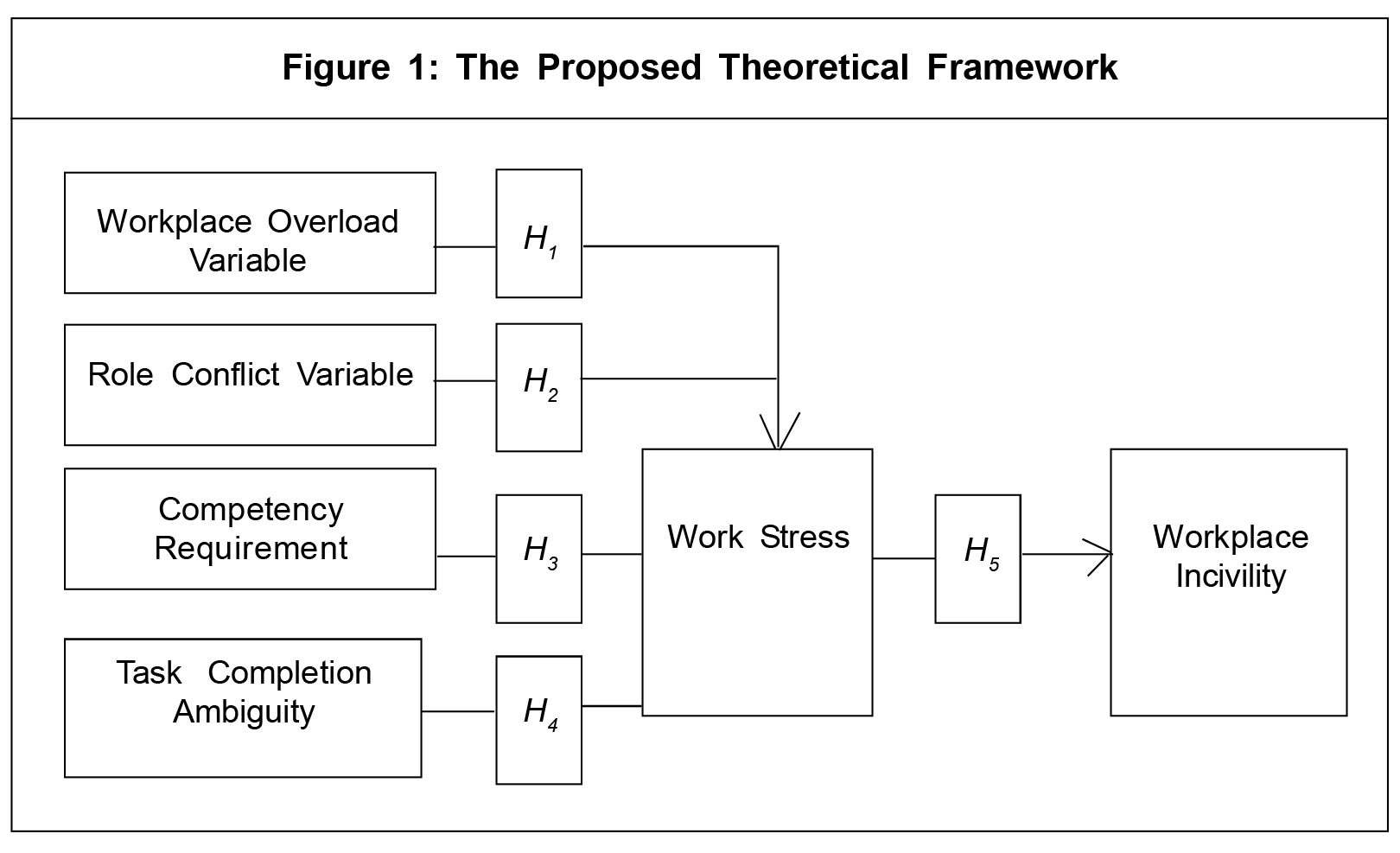
Previous studies that were conducted to understand the factors affecting work stress showed a significant impact of stress on workplace incivility. Rizzo et al. (1970) and Beehr et al. (1976) found that stress at work was caused by role conflict variable and workplace overload variable. According to Karasek and Theorell (1990), Lisa and Paul (2005) and Beehr et al. (1976), job satisfaction was influenced by factors like competency requirement and task completion ambiguity. Naswall et al. (2008), Taylor et al. (2012), and Sathasivam et al. (2015) found a positive relationship between work stress and workplace incivility. Based on results of the above mentioned studies, the following hypotheses and research models (Figure 1) are proposed.
Hypotheses Formulation
Based on the studies of Rizzo et al. (1970), Beehr et al. (1976), Karasek and Theorell (1990), Lisa and Paul (2005), Naswall et al. (2008), Taylor et al. (2012), and Sathasivam et al. (2015), a conceptual model was developed that consisted of the determinants of stress in the workplace and the relationship between working stress and workplace incivility. The hypotheses are proposed as:
Hypothesis H1: Workplace overload variable has a positive impact on stress at workplace.
Hypothesis H2: Role conflict variable has a positive impact on stress at workplace.
Hypothesis H3: Competency requirement has a positive impact on stress at workplace.
Hypothesis H4: Task completion ambiguity has a positive impact on stress at workplace.
Hypothesis H5: Stress in the workplace has a positive impact on workplace incivility.
Methodology
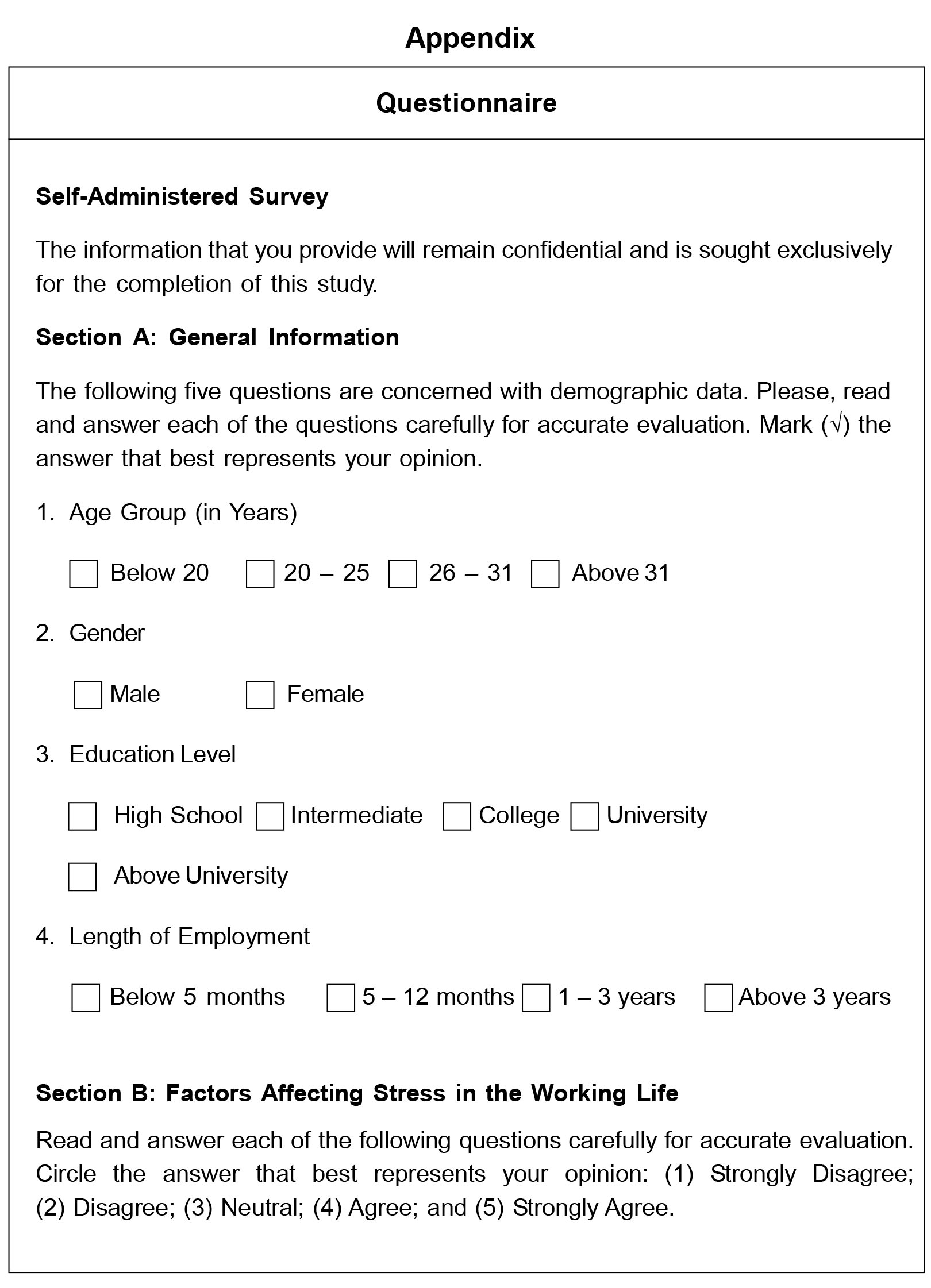
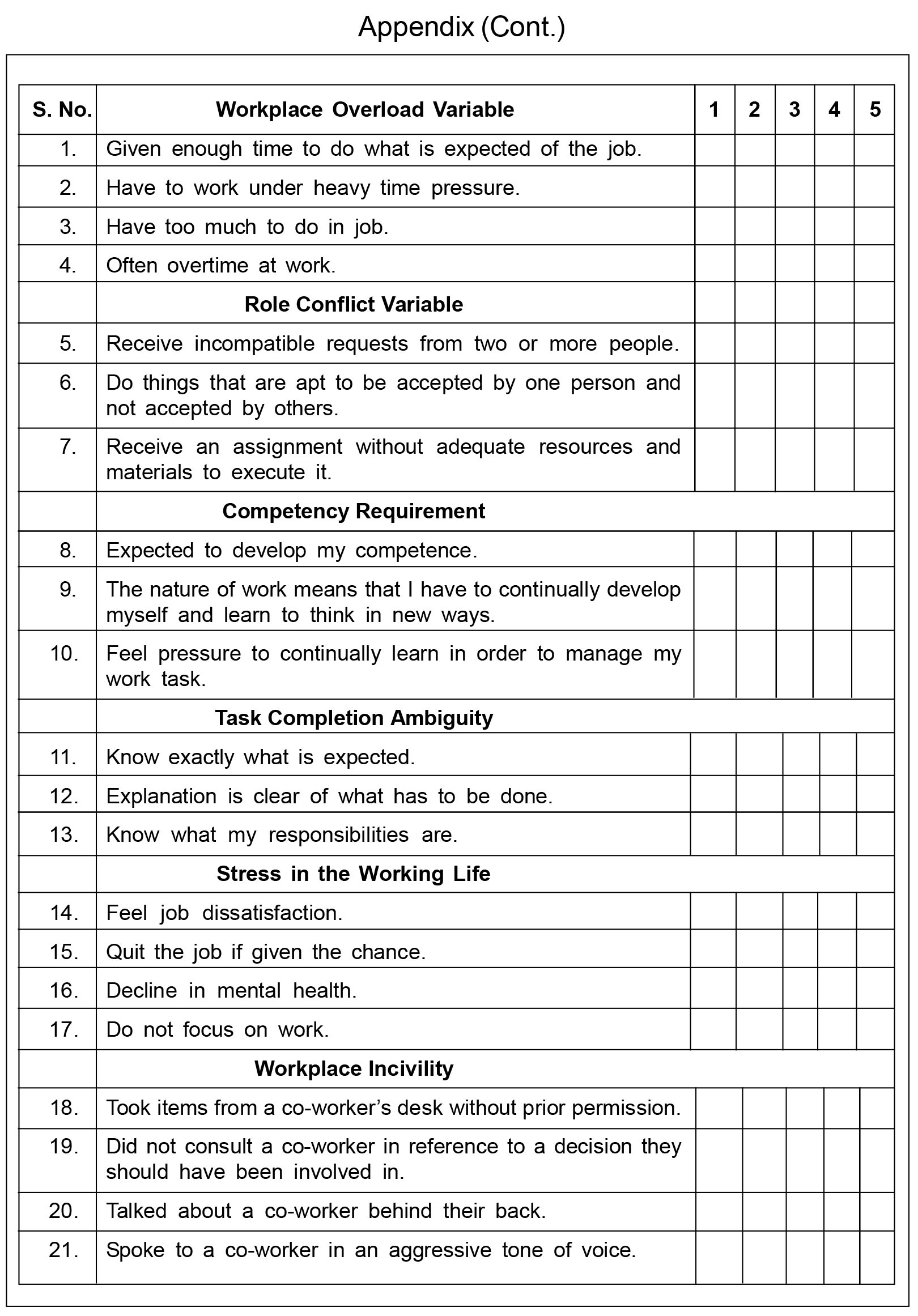
The study was carried out in two phases: preliminary research and formal research. The preliminary research was carried out through group discussion with 10 people who are working in different departments at Mega, BigC and Coop supermarkets, including the human resources department, customer service department, sales department, accounting department, and public relations departments, to explore the factors that influence stress in working life. Based on the observed variables in previous studies on work stress and workplace incivility, the author built a draft scale, and based on the draft scale, a pilot test was conducted with 20 staff working in different supermarkets to discover additional new variables and remove the ones that the group members do not agree with. In the quantitative research phase, survey questionnaire (see Appendix) method was used with 305 observations. The quantitative analysis methods used for data analysis include:
Testing the Reliability of the Scale Using Cronbach's Alpha: This test reflects the degree of correlation between the observed variables in the same factor. The standard to test the reliability of the scale is that the measurement variables have the total correlation coefficient of Corrected Item - Total Correlation ? 0.3; then the variable meets the requirements.
Exploratory Factor Analysis (EFA): This method helps to evaluate two important types of values of the scale: convergent value and discriminant value. The condition for EFA is to satisfy the following requirements: Factor loading > 0.5; Kaiser-Meyer-Olkin (KMO) in the range of 0.5 ? KMO ?1, Bartlett test has statistical significance (Sig. < 0.05).
Confirmatory Factor Analysis (CFA): It is one of the techniques that allow testing how well the measured variables represent the factors. The CFA method is used to confirm the univariate, multivariate, convergent, and discriminant validity of the factor scale.
Structural Equation Modeling (SEM): This model is used to analyze complex relationships in causal models. SEM is used to estimate the measurement models and the structural model of the multivariable theory problem. The criteria to evaluate the overall goodness of fit when analyzing actual data are the Chi-square test with p > 0.05, TLI and CFI values from 0.8 or more, Chi-square/df < 3, RMSEA < 0.08.
Results
Testing the Reliability of Scale Using Cronbach's Alpha
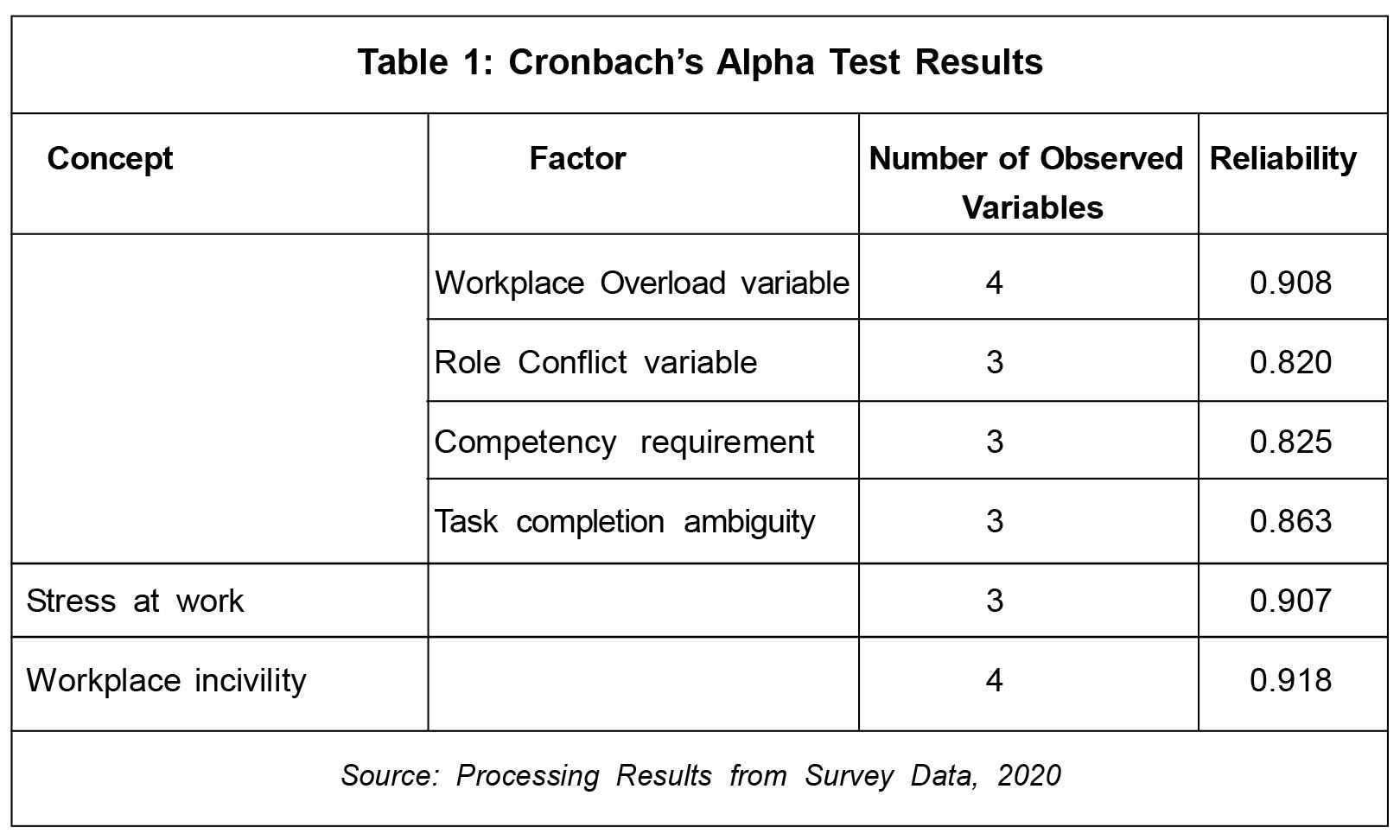
After testing Cronbach's alpha for four independent variables, 1 intermediate variable, and 1 dependent variable in the research model (Table 1), all factors have Cronbach's alpha coefficients that meet the requirements (>0.5) and no observed variables were excluded. The results of testing the reliability of the scale are summarized in Table 1. After testing the reliability coefficient of Cronbach's alpha, all observed variables meet the requirements for EFA analysis.
Exploratory Factor Analysis
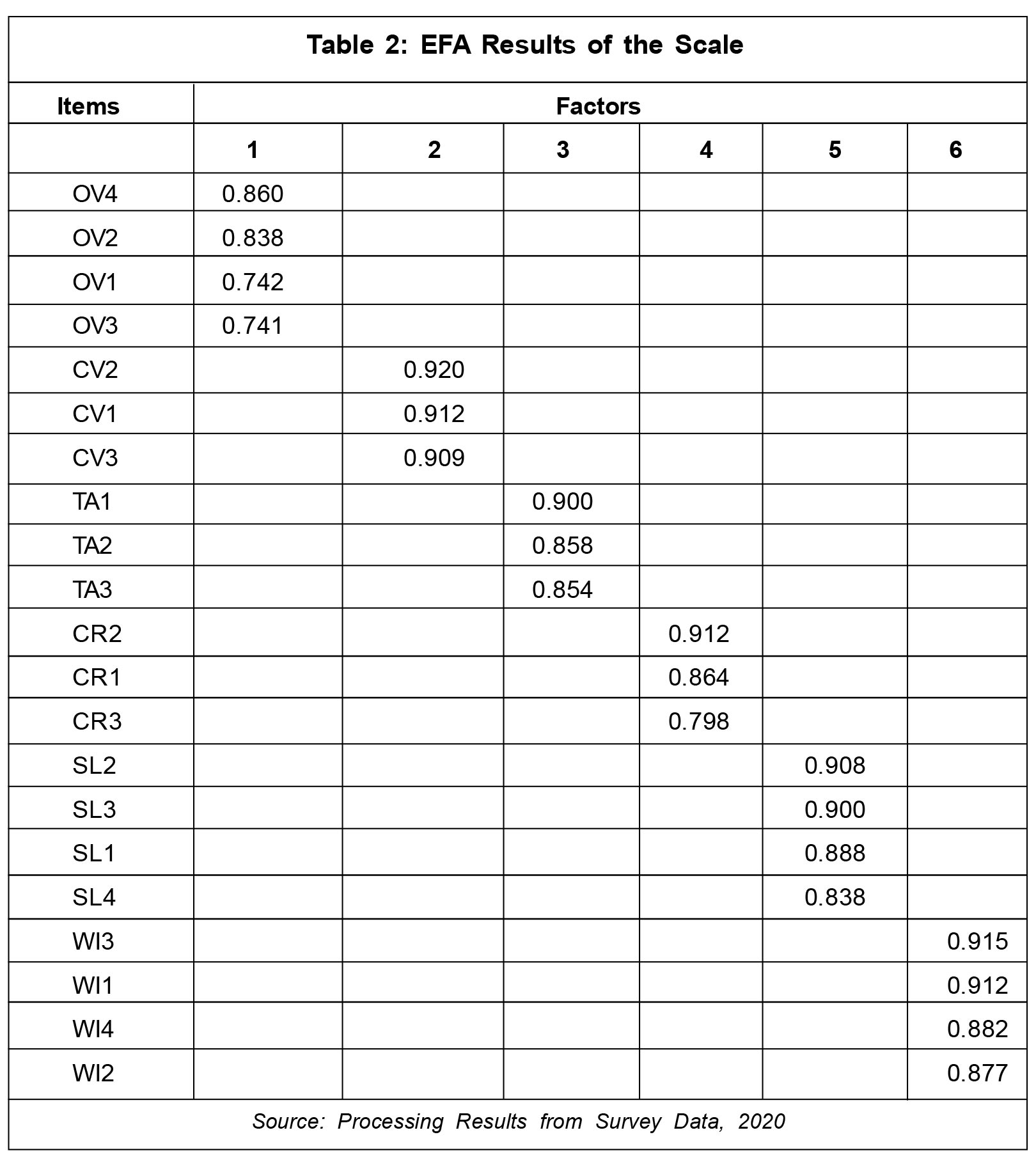
The results of EFA analysis are shown in Table 2. The observed variables have factor loading coefficients greater than 0.5, so no variables are excluded.
Confirmatory Factor Analysis
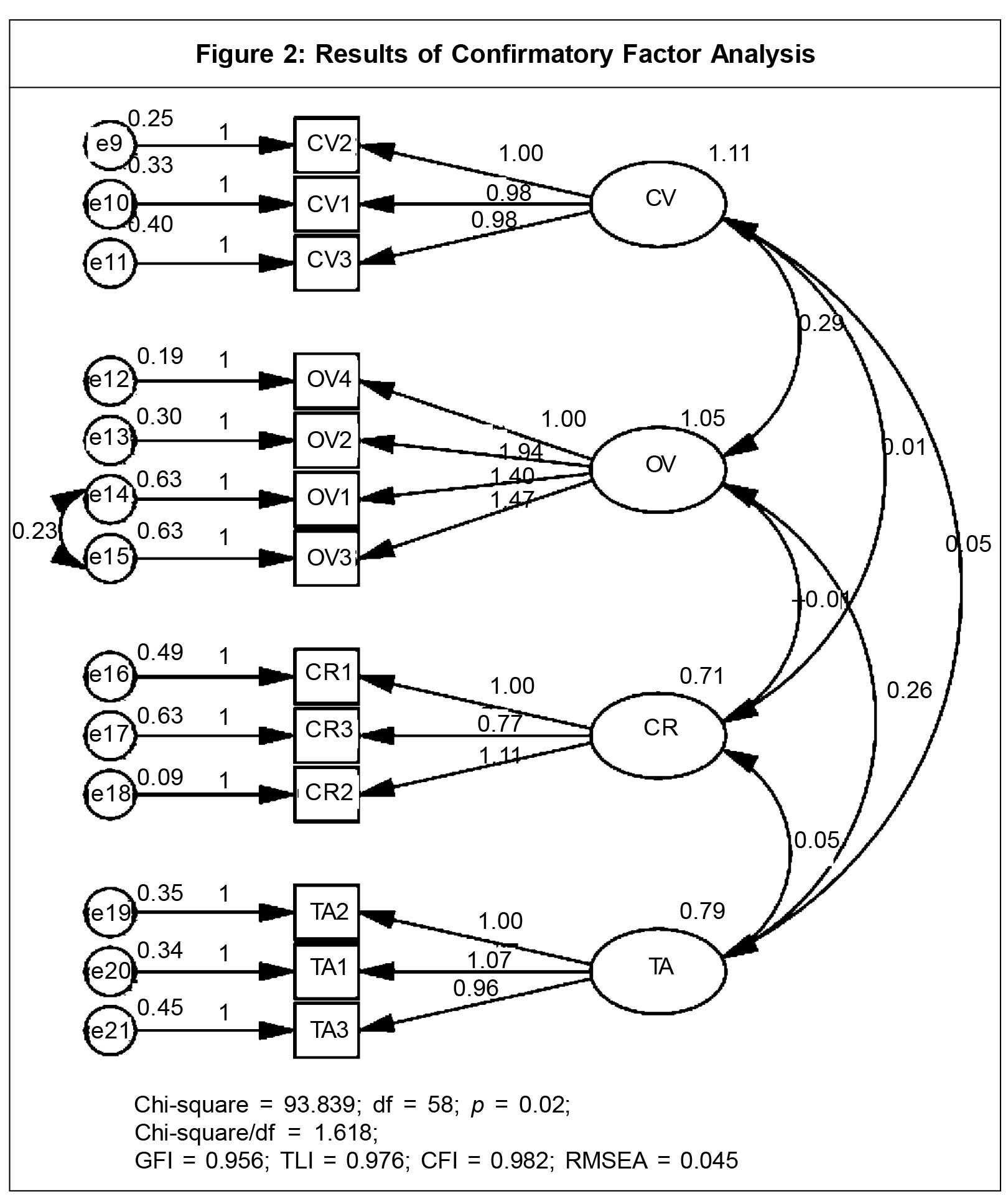
After EFA, the authors adjusted the scale and performed CFA to check the scale again. CFA was used to retest the measurement model that we found from the EFA analysis. After analyzing the CFA, the authors obtained indicators to assess the fit of the measurement model with the actual data. The model has Chi-square/df = 1.618;
CFI = 0.982; TLI = 0.976; GFI = 0.956 and RMSEA = 0.045 (see Figure 2); these indexes satisfy the requirements when assessing the overall fit. Therefore, it is concluded that the model fits the actual data.
Testing Research Hypothesis Using SEM
Evaluating the Fit of the Model by Linear Structural Model
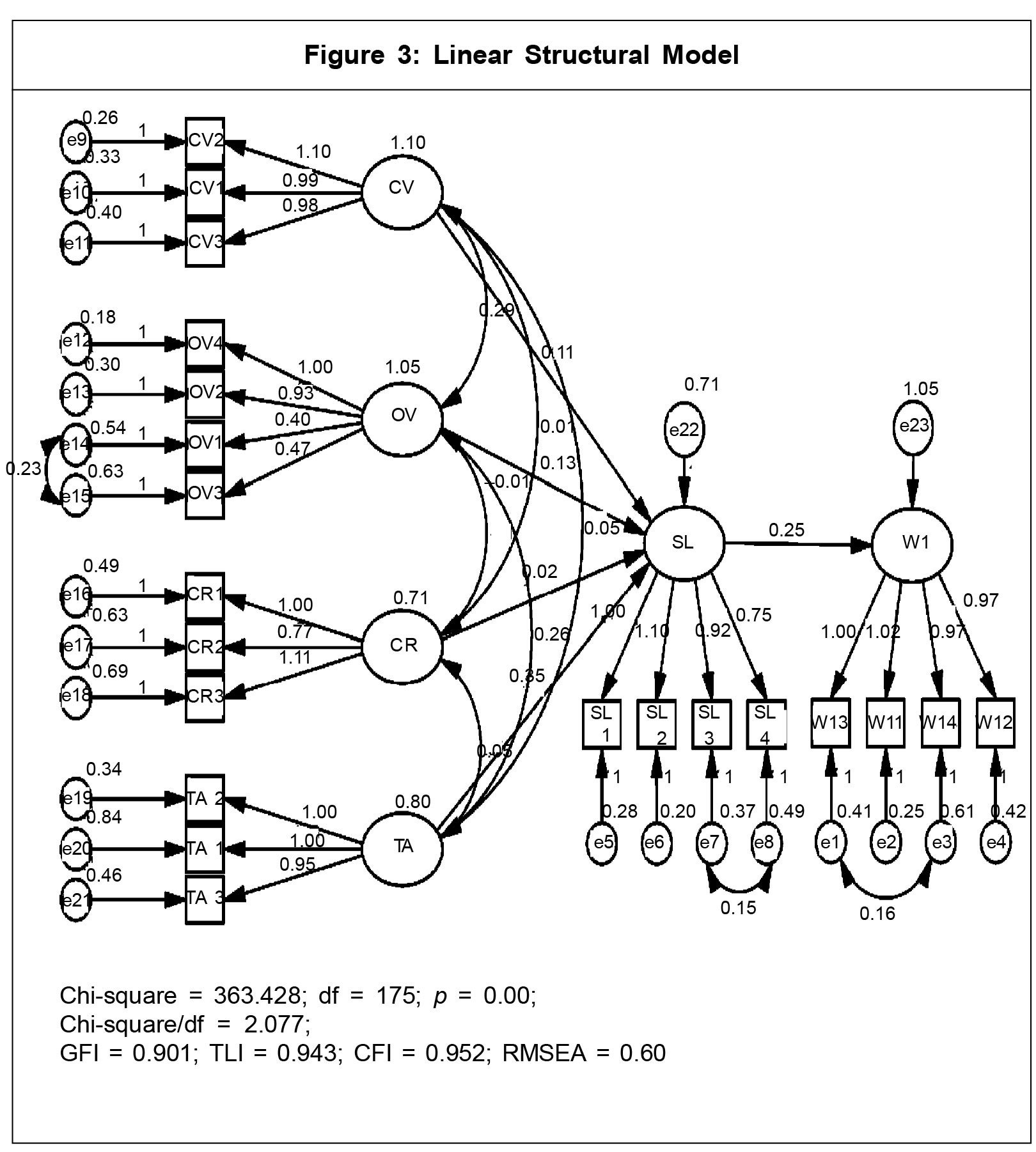
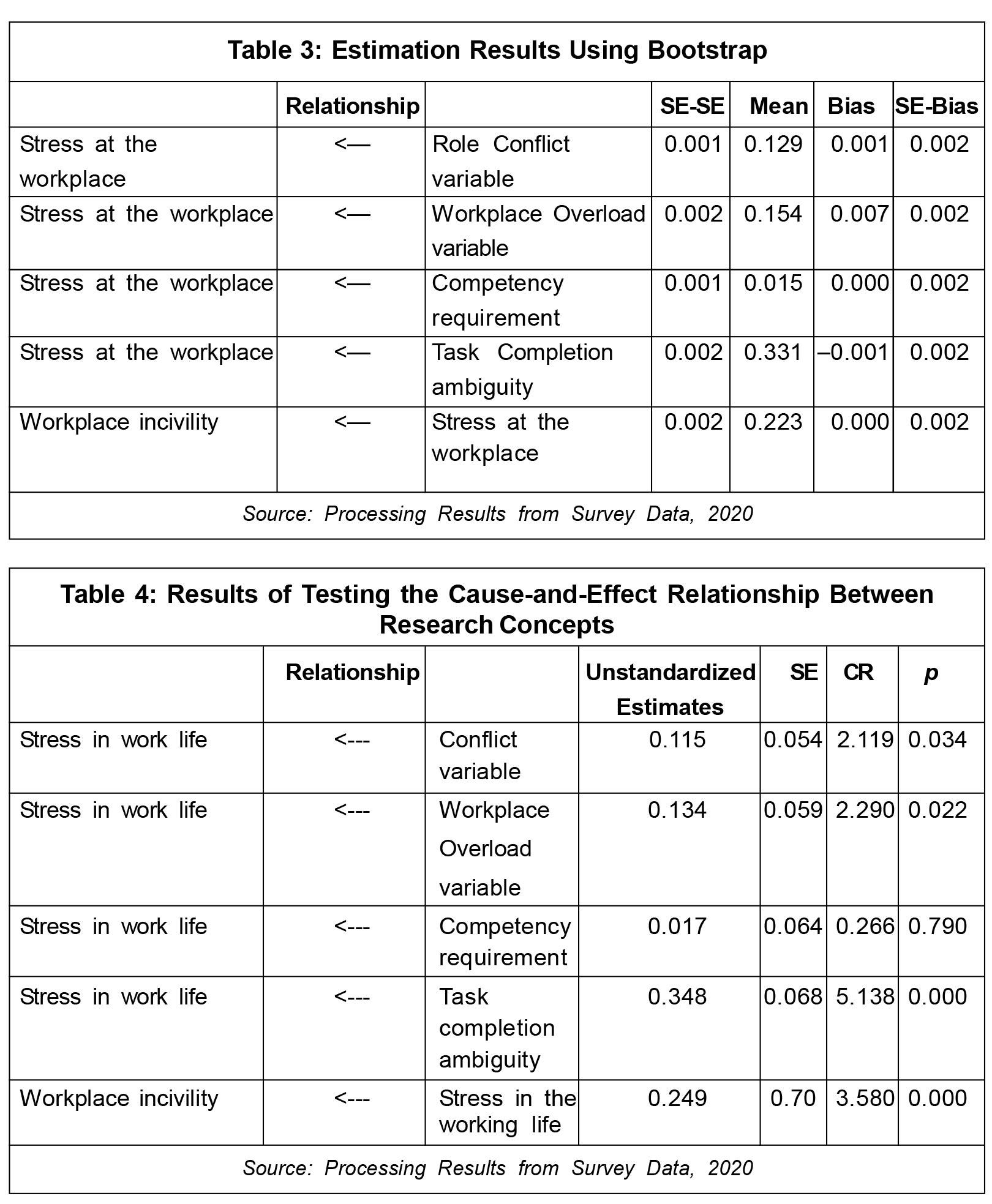
After the measurement model has been validated by CFA, the study determined the SEM. The data processing results are used to analyze the factors affecting the job stress of employees at the supermarket and the relationship between work stress and workplace incivility. The processing results are presented in Table 4 and Figure 3. The model has 175 degrees of freedom and Chi-square/df = 2.077; CFI = 0.952; TLI = 0.943; GFI = 0.901 and RMSEA = 0.60. These indexes satisfy the requirements when assessing general suitability.
The study used a sample size of N = 305. The averaged sample with the deviation is presented in Table 3. It is found that although the deviation occurs, the absolute value is always less than or equal to 1.5; we can say the deviation is very small, not statistically significant. Thus, it can be concluded that the estimates in the model (see Figure 3) can be trusted.
The causal relationships between the factors in the research model were supported by the Estimation results by Bootstrap, which are presented in Table 4.
The relationships in the research model are presented in Table 4, based on estimation results using Bootstrap.
Standardized results of the SEM linear structural model show that there are three positive impact factors on stress in work life. Task completion ambiguity is the strongest impact factor (b = 0.348). Secondly, workplace overload variable affects stress in work life (b = 0.134). Finally, the role conflict variable affects job satisfaction with b = 0.115.
Stress in work life has a positive effect on workplace incivility with b = 0.249. The results of verification of research hypotheses are summarized in Table 5.
Discussion
The research shows that three factors are affecting the work stress of supermarket employees - task completion ambiguity, workplace overload variable, and role conflict variable. The result completely coincides with the findings of Beehr et al. (1976), Igbaria and Guimaraes (1993), Naswall et al. (2008).
In addition, the study also shows that competency requirement has a negative influence on the work stress of supermarket employees, which is contrary to the findings
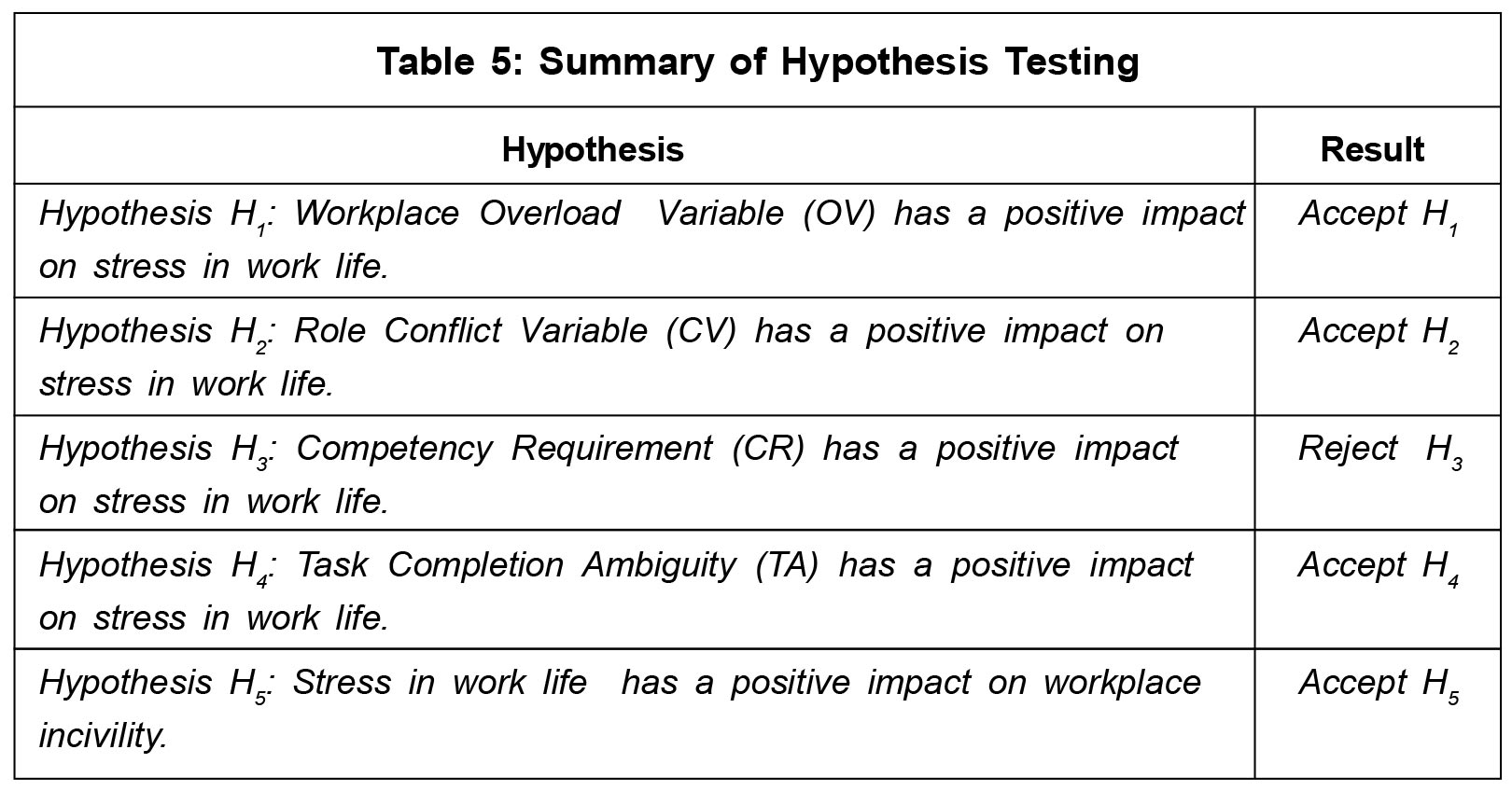
of Igbaria and Guimaraes (1993), Beehr et al. (1976). However, the result is completely consistent with the current conditions of supermarkets in Da Nang because supermarkets frequently recruit employees. They often hire employees with good analytical skills and communication skills (Lien, 2019). Moreover, most supermarkets now focus on employee training as a way to motivate employees. These training courses often focus on professional training for employees, requiring all employees to participate in learning (Son, 2019). The focus on recruitment and training helps supermarket staff acquire the skills to be productive; thus competency requirements do not become a factor leading to employees' work stress.
Research also shows that stress at work is caused by incivility. This is completely consistent with the findings of previous studies such as Lisa and Paul (2005), Taylor et al. (2012), and Oyeleye et al. (2013). Therefore, efforts to minimize the factors causing stress at work will contribute to reducing incivility at the workplace.
Here are some suggestions to solve this problem: The task completion ambiguity shows that employees are not clear about when they need to complete their tasks and whether they have completed the task or not. Therefore, managers should make a list of tasks for each job position at different stages. Each employee then prioritizes them in order of importance. Or managers can instruct employees to break down tasks and complete these tasks step by step, instead of doing all tasks at once. Finally, control and evaluation from the manager are extremely important. Reviews from managers can help employees understand how well they are doing. To do this, managers should establish a system of key performance indicators (KPIs). Accordingly, each job type will have its own set of KPIs. This system will help employees understand what tasks they will perform, when they will complete them and how well they will complete the work. This can help employees reduce stress caused by task ambiguity.
Besides, workplace overload is the main cause of stress for supermarket employees. To alleviate this situation, creating a balanced work schedule is necessary. Employees need to identify daily responsibilities and tasks, try to find a balance between work and family life and social activities. If there is too much to do, distinguish between what "should" and what "must" be done, leaving out the work that is not necessary. Scheduling regular breaks is also essential, i.e., taking a break from work for a short time to recharge. For supermarket employees, controlling the workload is difficult because it depends on the number of transactions. Therefore, the application of information technology to conduct electronic transactions is necessary.
Conclusion
Stress at work is caused by many factors, and it can lead to incivility at the workplace. Therefore, supermarket managers need to focus on implementing solutions to reduce stress and thus reduce the work incivility of employees. For employees, the ability to manage stress at work not only improves their physical health but also their mental health; it can also create success or failure at work. Work stress is often equated with challenges, but the two are very different. Challenges help to motivate and energize workers in learning new skills and mastering their assigned tasks. When tackling challenges, employees feel satisfied with their efforts. This shows that challenge is beneficial because it increases productivity. In short, the stress created by challenges is good for the employees, so not all stress is bad. Learning how to cope with and manage stress is very important to maximize job performance.
References
- Andersson L M and Pearson C M (1999), "Tit for tat? The Spiralling Effect of Incivility in the Workplace", Academy of Management Review, Vol. 24, No. 3, pp. 452-471.
- Beehr T A (2000), "An Organizational Psychology Meta-Model of Occupational Stress", in C L Cooper (Ed.), Theories of Organizational Stress, pp. 6-27, Oxford University Press, Oxford.
- Beehr T A, Walsh J T and Taber T D (1976), "Relationship of Stress to Individually and Organizationally Valued States: Higher-Order needs as a Moderator", Journal of Applied Psychology, Vol. 61, No. 1, pp. 41-47.
- Christine M Pearson, Lynne M Andersson and Christine L Porath (2000), "Assessing and Attacking Workplace Incivility", Organizational Dynamics, Vol. 29, No. 2, pp. 123-137.
- Igbaria M and Guimaraes T (1993), "Antecedents and Consequences of Job Satisfaction Among Information Center Employees", Journal of Management Information Systems, Vol. 9, No. 4, pp. 145-174.
- Karasek R A (1979), "Job Demands, Job Decision Latitude and Mental Strain: Implication for Job Redesign", Administrative Science Quarterly, Vol. 24, No. 2, pp. 285-308.
- Karasek R A and Theorell T (1990), "Healthy Work: Stress, Productivity and There Construction of Working Life", Basic Books, New York.
- Katz D and Kahn R L (1978), The Social Psychology of Organizations, 2nd Edition, Wiley, New York.
- Lazarus R S and Folkman S (1984), Stress Appraisal and Coping, Springer, New York.
- Lien Hong (2019), available at https://careerbuilder.vn/en/talentcommunity/cac-yeu-cau-ve-ky-nang-va-nang-luc-doi-voi-nhan-su-trong-nganh-ngan- hang.35A4E984.html. Accessed on April 16, 2020.
- Lisa M Penney and Paul E Spector (2005), "Job Stress, Incivility and Counterproductive Work Behavior (CWB): The Moderating Role of Negative Affectivity", Journal of Organizational Behavior, Vol. 26, No. 7, pp. 777-796.
- Naswall K, Hellgren J and Sverke M (2008), The Individual in the Changing Working Life, 1st Edition, Cambridge University Press.
- Nguyn Quc Nghi (2018), "The Impact of Work Stress on the Working Results of Bank Employees", Journal of Banking Science and Training, Vol. 194, July, pp. 47-53.
- Olubunmi Oyeleye, Patricia Hanson, Nancy O'Connor and Deborah Dunn (2013), "Relationship of Workplace Incivility, Stress, and Burnout on Nurses' Turnover Intentions and Psychological Empowerment", The Journal of Nursing Administration, Vol. 43, No. 10, pp. 536-542.
- Pearson C M and Porath C L (2009), "The Cost of Bad Behavior: How Incivility is Damaging Your Business and What to do About It", Vol. 18, No. 6, pp. 3-8, Penguin, New York.
- Rizzo J R, House R J and Lirtzman S I (1970), "Role Conflict and Ambiguity in Complex Organizations", Administrative Sciences Quarterly, Vol. 15, No. 2, pp. 150-63.
- Sathasivam K V, Malek M D H A and Abdullah A F (2015), "Organizational Stressors and Job Stress Among Malaysian Managers: The Moderating Role of Personality Traits", International Journal of Social Work, Vol. 2, No. 1, pp. 1-21. ISSN 2332-7278.
- Selye H (1936), "A Syndrome Produced by Diverse Nocuous Agents", Nature, Vol. 138 (3479), July, p. 32.
- Son Tang Dinh (2019), "Motivational Factors for Employees Working in Commercial Banks", Financial Journal, Vol. 22, September 2, pp. 56-63.
- Spector P E and Fox S (2002), "An Emotion-Centered Model of Voluntary Work Behavior: Some Parallels Between Counterproductive Work Behavior (CWB) and Organizational Citizenship Behavior (OCB)", Human Resources Management Review, Vol. 12, No. 2, pp. 269-292.
- Taylor Shannon, Kluemper G and Donald H (2012), "Linking Perceptions of Role Stress and Incivility to Workplace Aggression: The Moderating Role of Personality", Journal of Occupational Health Psychology, Vol. 17, No. 3, pp. 316-329.