July '22
The IUP Journal of Organizational Behavior
Archives
Emotional Intelligence and Work Satisfaction Among Banking Professionals in India: An Empirical Study
Ashish Mathur
Assistant Professor, Department of Business Administration, FCMS, Jai Narain Vyas University, Jodhpur,
Rajasthan, India; and is the corresponding author. E-mail: ashishmth@gmail.com
Sona Vikas
Associate Professor, School of Management and Liberal Studies, NorthCap University Gurugram, India.
E-mail: sonavikas9@gmail.com
Urvee Garg
Relationship Manager, Key Partnership Group, Tata AIG General Insurance Co. Ltd. Chandigarh, India.
E-mail: urveegarg12@gmail.com
Meghna Dagar
Analyst, Talent Acquisition, India & Middle East, Protiviti, Gurugram, India. E-mail: dagarmeghna@gmail.com
Samiksha Verma
General Manager, JP & Sons Jewelers, Gurugram, India. E-mail: samiksha.vrm14@gmail.com
High customer interaction is required in the banking industry, making emotional intelligence an indispensable skill for bankers. The aim of this study is to examine the relationship between emotional intelligence and work satisfaction amongst banking professionals in India. While a myriad of studies have been conducted on emotional intelligence in the banking industry, there have been very few in the Indian setup. After conducting the primary study and collecting data from 600 professionals in India's banking sector, the outcome reveals that both emotional intelligence and work satisfaction are significantly related to each other. The findings indicate that the higher the emotional intelligence among employees, the higher their work satisfaction. Banks are part of the service industry and must comprehend customer requirements, aspirations, and ambitions in order to establish a good perception among customers. Banks should invest in a robust customer relationship management technology that enables them to comprehend their customers' desires when engaging with them, allowing them to cross-sell various offerings based on demand. Human capital is critical in ensuring the banking sector's growth and continuation. That is why high emotional intelligence among banking professionals is necessary for the banks to be successful in achieving customer satisfaction and retention.
Introduction
Emotions are psychological conditions caused by neurophysiological transformations that are variably linked with different levels of thoughts, sentiments, behavior and some degree of pleasure or disappointment. They play a major role in life and exert an essential influence on an employee's work and social culture. It is essentially a sentimental state which substantially affects behavioral precursors. We live in an era where change is the only constant and emotional intelligence has become an indispensable skill in every organization and industry. In the service industry, especially in the banking sector, the management of employee emotions is very important. Success in this sector depends on several elements, the most important of which are influenced by management and employee behaviors and attitudes (Yun et al., 2015). Not only do bank employees have to do physical and mental work, but they also have to do emotional work, which requires them to be skilled, focused, and productive (Prentice, 2013). As banking is a service sector, the highest level of service is required to gain the confidence of customers and gain referral business and additional or repeat business through customer satisfaction. But it is not an easy task for employees to satisfy all customers. The ever-increasing demands and requirements from the customers, however, not only lead to a high level of stress but also result in 'emotional burnout' of the employees, which may further put the whole company at risk (Prentice et al., 2013; and Yoo and Jeong, 2017). Increasing stress may lead to displeasure among employees and affect not only their work efficiency but also their satisfaction level. A dissatisfied employee may not be able to deliver optimal results. On the contrary, if an employee feels satisfied with his work, he will make every effort to accomplish it. This leads us to the important question of whether emotional intelligence can lead to improvements in the efficiency and satisfaction of employees. Can higher emotional intelligence lead to increased psychological wellbeing and favorable emotional conditions? This calls for a study to examine if emotional intelligence has any role to play in work satisfaction among professionals employed in the banking industry.
Work Satisfaction
Work satisfaction is indeed a mental condition that is characterized by a sense of wellbeing and enjoyment of work reflected in morality, commitment, and efficiency towards work. Work satisfaction is a measure of wellbeing that reflects how employees value the monetary and non-monetary rewards for their contributions to the organization (Vila
et al., 2007). It is the foundation of individual needs. Every person seems to have a varied degree of contentment based on his or her morality or principles. The satisfaction level would be higher if more wishes were fulfilled. Overall, work satisfaction could well be regarded as something congenial or abhorrent according to the perception of the individuals. A pleasant attitude regarding the work, as expressed by someone, is an indicator of work satisfaction. As for the managers working in banks in the private sector, they are more delighted with intrinsic work satisfaction in comparison to extrinsic work satisfaction (Garg et al., 2018). Additionally, it was observed that work satisfaction eventually leads to work engagement of managers at different levels of Indian banks. A common challenge for business leaders is to craft pathways for employees' work satisfaction. Several factors like personal, work, and organizational environment have an influence on an employee's participation in work; this has an effect on the employee's feeling of competence, which in turn affects the reward and self-worth the employee receives, eventually leading to work satisfaction (Sekaran, 1989).
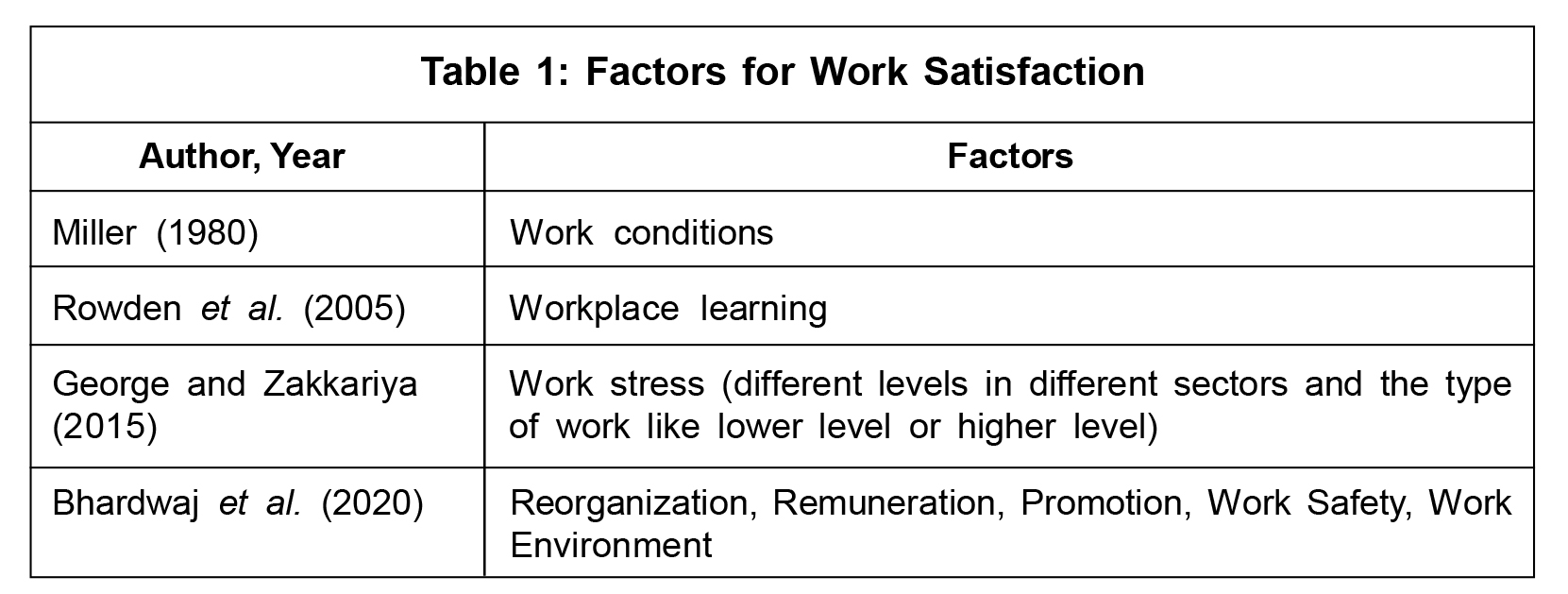
Different authors have tried to establish and test different variables with work satisfaction, some of which are summarized in Table 1. The Table shows some common factors which are considered to affect the satisfaction level of employees working in any organization, irrespective of gender and industry.
Emotional Intelligence
A myriad of research has already been done on emotional intelligence. Emotional intelligence has generally been defined as a collection of skills that includes the capacity to detect and communicate one's own emotions properly, and also the capacity to understand and react to the emotions of others (Salovey and Mayer, 1990). Two different models, the Ability model (Mayer and Salovey, 1997) and the Trait model (Petrides and Furnham, 2003), describe two different conceptions of EI. The concept of Ability Emotional Intelligence (AEI) encapsulates a person's capacity to detect, comprehend, and control their and others' emotions (Mayer and Salovey, 1997). Trait Emotional Intelligence (TEI) refers to how individuals perceive their emotional skills (Petrides, 2011). As per the AEI concept, emotional intelligence of an individual is assessed with the help of performance tests (Mayer et al., 2004 and 2008), and under the TEI concept, it is assessed through self-report or other reports (Petrides and Furnham, 2001). These two approaches are very important, and a lot of studies have been done based on them. Some studies also revealed that TEI affects the personality of an individual. Employees can work reluctantly even in stressful circumstances if they have a strong emotional connection with the organization. TEI is associated with good workplace connections, which are defined by mutual respect, concern, and a sense of belonging among workers (Di Fabio and Saklofske, 2019). Also, it has been found that civility in the workplace helps workers accept change, be happy with their lives, and feel like they have a purpose.
Emotional intelligence helps not only working adults succeed, but also students focus better in class. Effective leaders are likely to have a high emotional intelligence score in assisting their staff in maintaining good emotions when dealing with customers and doing emotional labor. Additionally, it is believed that EI enables vulnerable people to better comprehend and perform difficult activities. The connection between AEI and TEI was investigated using Path analysis and the capacity to give a presentation under pressure.
Self-efficacy has been proposed as a possible mediator of the attribute to get a better understanding of the connection between emotional intelligence and performance. The findings showed that (a) self-efficacy accounted for the whole of the connection between TEI and results; and (b) AEI and a specific emotion understanding influenced objective results (Udayara et al., 2020).
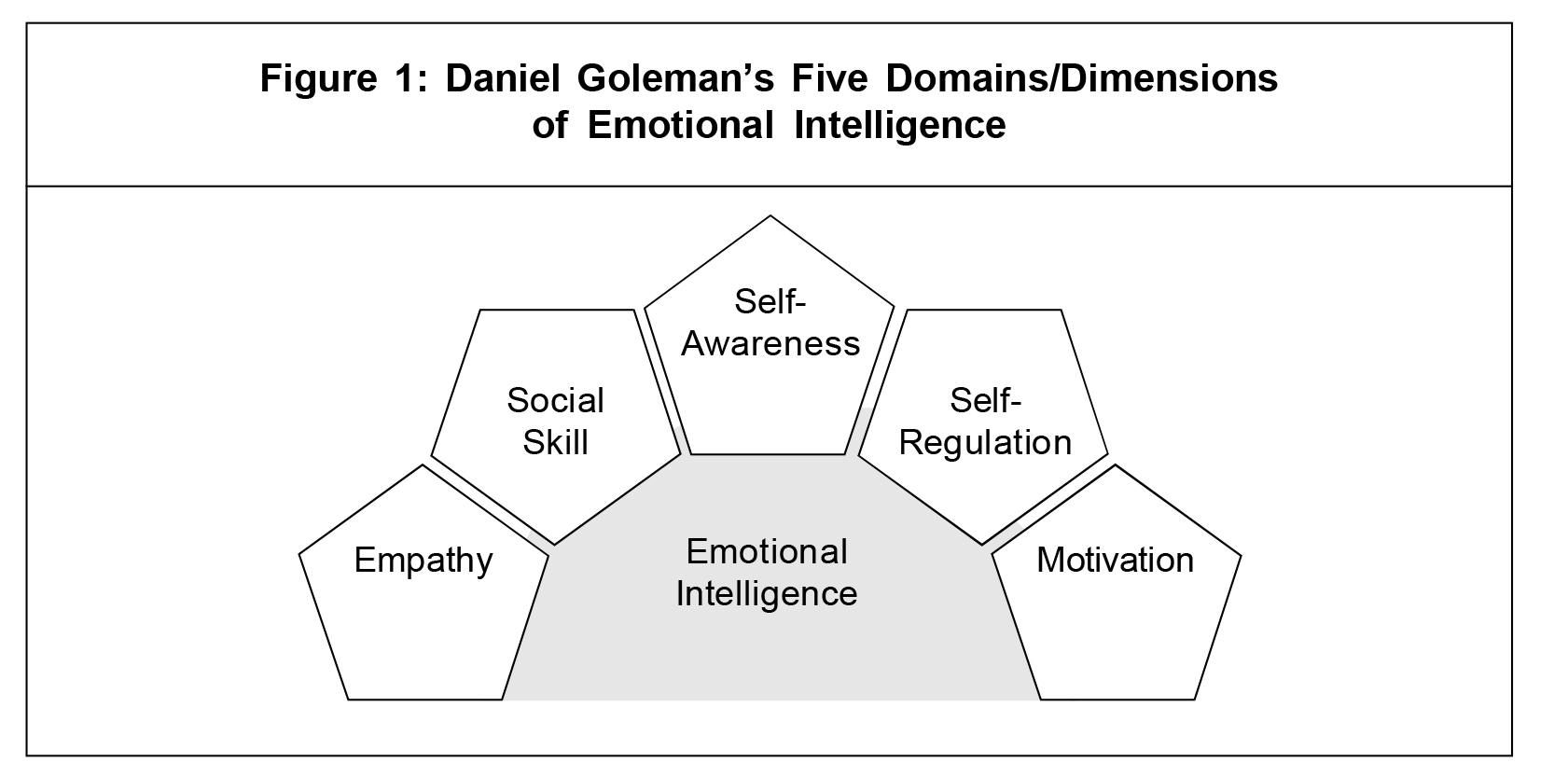
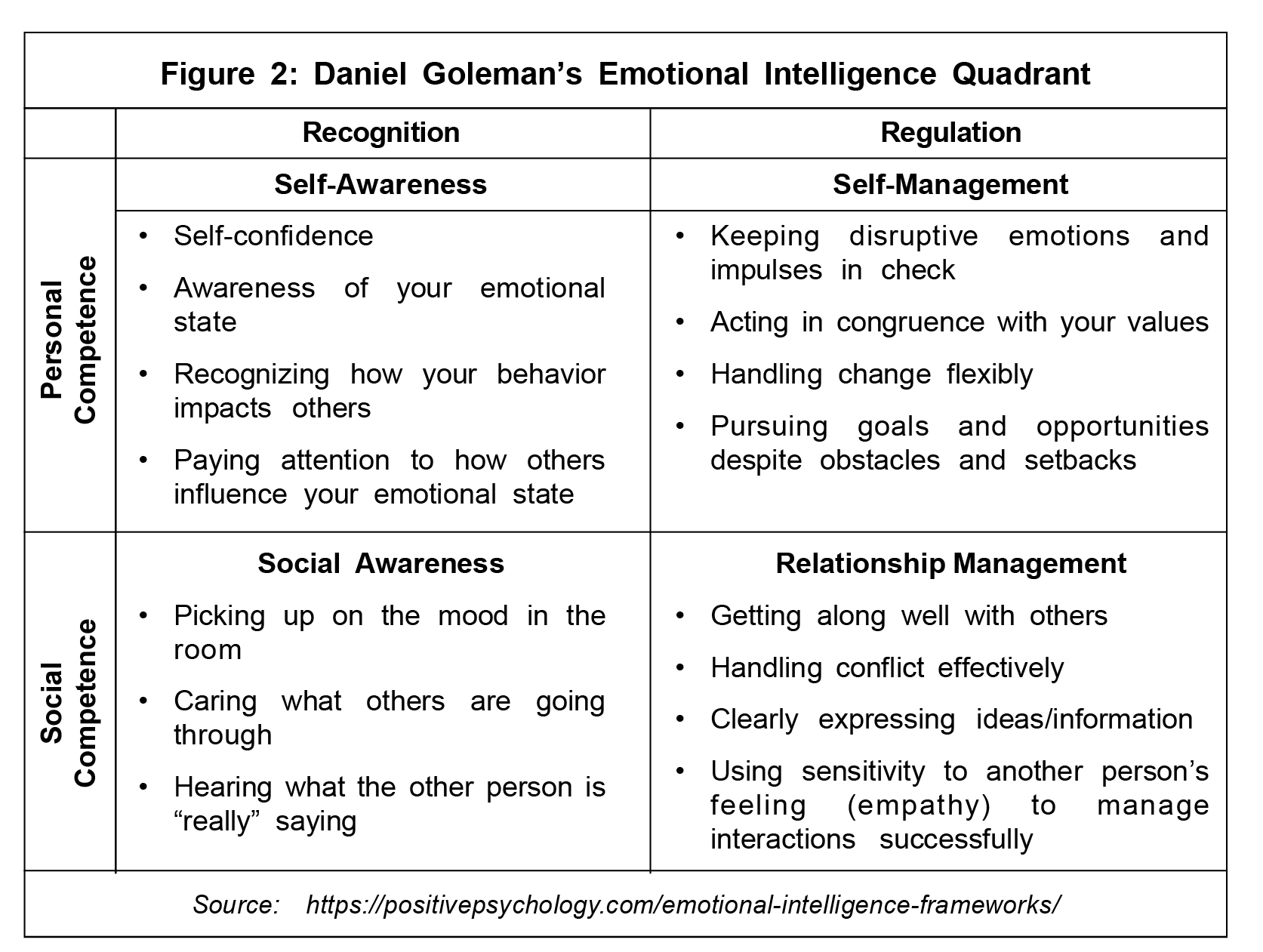
Emotional intelligence gained popularity after Daniel Goleman's publication in 1995 of Emotional Intelligence: Why It Can Matter More Than IQ. He was of the opinion that it is not our smartness that helps us to go far; rather, it is our self-awareness and empathy that help us to maintain effective relations and manage our distressing emotions. He originally presented the idea in five domains or dimensions (Figure 1). This was subsequently changed to four dimensions depicted in the Figure 2.
Emotional Intelligence and Work Satisfaction at the Workplace
Employees with a greater level of emotional intelligence get higher evaluations from peers and supervisors for interpersonal facilitation, stress resistance, and leading abilities compared to those having a weaker degree of emotional intelligence. Individuals may increase their productivity and effectiveness in any endeavor by increasing their emotional intelligence. They can also encourage others to do the same (Serrat, 2017).
Emotional intelligence should be encouraged at work since it is a talent that can be acquired. Though some individuals are born with this ability, it improves with age and may be learned through time. Various organizations have also started providing "emotional intelligence" or "emotional competence" training so that they can enhance the performance of their employees. If training is provided for emotional intelligence traits, then the primary goal of TEI training will be to improve psychological wellbeing. Emotional intelligence coaching will result in a reduction in mental discomfort (e.g., burnout) and a rise in joy, satisfaction with life, and standard of living.
Workplace flourishing is associated with emotional intelligence (Schutte et al. 2014). To validate this, it explored a model that demonstrates how the attribute emotional intelligence serves as a platform towards workplace flourishing and contributes to workplace flourishing via the development of other supportive qualities. This research sees mental health and work engagement as indicators of a developing workplace. The study established a clear connection between employee emotional intelligence and work engagement. Fast shifts within the workspace, knowledge economy, new technologies, and the global economic downturn, as well as consumer expectations, need a greater degree of skills, flexibility, as well as readiness on the part of employees (Ozbag and Ceyhun, 2014).
With the advent of Covid-19, emotional intelligence as a skill is in high demand by all organizations, and this motivated us to do more in-depth research on this subject. However, the workplace recognizes and accepts the reality that some individuals are intellectually bright but interpersonally incompetent. They understand that people with a high IQ do not automatically achieve success.
The purpose of this study is to examine the connection between different aspects of emotional intelligence and work satisfaction among banking industry professionals. We chose the banking sector because employees in banks have a high level of client contact, which necessitates emotional intelligence in order to develop long-term relationships with their clients.
Emotions are critical for energizing and directing behavior, and with the banking industry being high on customer service and interaction, it is absolutely normal to expect the working professionals of this industry to have high emotional intelligence (Chatterjee and Kulakli, 2015). Additionally, banks have a critical function to play in terms of economic importance; they serve as a conduit for clients' money to be mobilized and used for productive purposes, thus sustaining the overall cycle of economic development. RBI and its advisors, in collaboration with the Government of India, recognized the banks' critical role in the growth of the Indian economy and took steps to technologically change the banking sector for the benefit of overall development (Singh and Arora, 2011).
In the banking industry, high customer interaction is required, thus making emotional intelligence an indispensable skill for professionals. The motivation of this study is to examine the relationship between emotional intelligence and work satisfaction amongst the professionals engaged in India's banking sector. While a myriad of studies have been conducted on emotional intelligence in the banking industry, there is indeed a lack of studies in the Indian setup. Looking at the highly stressful jobs in the banking industry, this study comes at an opportune time.
This paper is structured into five parts. The paper begins with a brief overview of concepts of work satisfaction and emotional intelligence to underline its significance as an important research domain; the literature review looks at the available studies on emotional intelligence and research questions arising out of the gaps in the past studies; then the paper presents the study's methodology and research goals; and moving further, the study examines the findings based on the responses received from the respondents; it is followed by a discussion on the data gathered and analyzed; and finally the conclusion is provided and recommendations are made.
Literature Review
Although emotional intelligence was first presented as just a construct (Salovey and Mayer, 1990), it quickly gained popularity as a measure to anticipate performance over and above the traditional measurements of general intelligence (Goleman, 1995). While various studies defined emotional intelligence differently, the core of emotional intelligence remained, consistent. Emotional intelligence is an individual's capacity to perceive, communicate, assess, and regulate emotions (Salovey and Mayer, 1990). Additionally, emotional intelligence has an effect on our wellbeing, relationships, and professional/academic success (Kotsou et al., 2019). Likewise, emotional intelligence was seen to be associated with one of the leadership styles known as transformational leadership; this style affects followers by eliciting powerful emotions and connections with the leader (Yukl, 1981). Transformational leaders assist their workers in maintaining a good attitude towards one another and consumers (Humphrey et al., 2010). It is said that leaders with a high EI score are more effective in assisting their workers in maintaining a good attitude when dealing with clients and doing emotional labor. Pool and Qualter (2012) talk about the basic fundamentals of emotional intelligence and Emotional Self-Efficacy (ESE) through various tools and methods. The importance of self-efficacy was revealed, and it was shown how it can be improved by teaching interventions and instilling characteristics like self-control, joy, and assertiveness. Furthermore, the authors emphasized that a person can use their talents by controlling their intensity, frequency, and endurance. They can easily avoid the negative emotions. There are many other advantages of emotional intelligence, i.e., individuals can become more productive and successful in each and every task they do and can help others also by developing their emotional intelligence. People who have strong emotional intelligence enjoy greater relationship abilities that enable them to traverse through informal organizations quite effectively and to get more affiliation in various social circles. As a result, there is a favorable correlation between emotional intelligence and pay levels. Additionally, it was discovered that mentoring mediates this (Day et al., 2017). Furthermore, it was discovered that those with a greater capacity for emotion detection earn a higher yearly income, owing mostly to their interpersonal abilities. Through its focus on emotional self-awareness, emotional intelligence fosters meaningfulness (Thory, 2016). Further, emotional intelligence training was suggested to promote meaningfulness. According to a study, emotional intelligence has a direct and favorable effect on worker productivity. The fundamental idea of emotional intelligence has been applied to the emotional attributes of an employee, such as "solving interpersonal problems, empathizing, expression and comprehension of emotions, ability to adapt, persistence, controlling temperament, compassion, and admiration." Lastly, the study gives a very strong interpretation that people with creative and practical intelligence are capable of producing a lasting effect on those around them and have the capability to change the environment for both themselves and other people. So, if this strategy is used in organizations, it can lead to amazing results (Altynda and Koseda, 2015).
Another study on emotional intelligence described it as "a collection of skills (verbal and non-verbal) which allow an individual to create, identify, demonstrate, comprehend, and assess their own as well as others' feelings so as to direct his or her thoughts and behavior in response to environmental needs and stresses." The study revealed that:
- Workers with a higher EI score report more work satisfaction, greater institutional loyalty, and less plans to leave.
- Emotional intelligence increases work contentment by decreasing negative emotions among workers (Miao et al., 2017).
Research by Ansari and Malik (2017) found a favorable and substantial connection between emotional intelligence and sharing of information, implying that emotional intelligence promotes knowledge exchange and possibly engages more workers inside the company. Demonstrating confidence among team members encourages them to share information and contributes to a high level of emotional employee contentment (Serrat, 2017). Rezvani et al. (2016) concluded that emotionally intelligent workers have a higher probability of being happy with their employment and of having confidence in their coworkers. As an outcome, we can assert that increased trust results in increased work satisfaction in terms of high-quality communication, goal understanding, successful troubleshooting, and top-management support. Employees who possess a high degree of emotional intelligence are capable of rapidly recovering from negative feelings and tension in stressful circumstances. Additionally, the study indicates that when workers are happy with their work, their desire to contribute to the organization's shared interest rises, as does their work productivity. It was always a debatable topic whether emotional intelligence could be learnt or not. Though some people have this in them naturally, it can be learnt overtime and many organizations have started providing training on emotional intelligence.
A study by Mattingly and Kraiger (2019) found that emotional intelligence training can help only in improving the emotional intelligence scores, and it is difficult to determine whether or not some elements of emotional intelligence were affected. Another consequence of training for emotional intelligence is, it can also have an effect on such outcomes as individual work effectiveness and subordinate work contentment. Additionally, they found a consistent tendency throughout all of their research, indicating that training is more successful when coaching, practice, and feedback are incorporated rather than lectures. This trend indicated the need for tailoring emotional intelligence training and providing correct feedback on workers' abilities. Kotsou et al. (2019) asserted that emotional intelligence is critical for an employee's effective leadership and professional success. The institutional environment, collaboration, dispute resolution, patient contentment, workplace incivility, training abilities, employability and reemployment, and work satisfaction all improved. As a consequence of the findings, it was concluded that all categories obtaining emotional intelligence treatments benefited in comparison to control categories. Doucet et al. (2015) found that those with a greater capacity for emotion detection earned a higher yearly income, owing mostly to their interpersonal abilities. It was further explored that emotional intelligence has always resulted in positive feedback with regard to the performance of the employee. Also, organizations can benefit by having training related to emotional intelligence, including emotion recognition. It will improve an employee's self-esteem and help them to increase their work satisfaction level. Further, we will examine emotional intelligence connections with the other variable, i.e., work satisfaction.
Myriad studies done on emotional intelligence revealed a favorable correlation with work satisfaction. This relationship has been further mediated by work performance and has been moderated by emotional labor demand (Miao et al., 2017). In a study by Alferaih (2017), to assess the performance of Saudi banking executives on the basis of their emotional intelligence, it was found that managers with high emotional intelligence exhibit better work performance. Altyndaa and Kosedaia (2015) stated that the emotional intelligence of managers helps in improving their employees' perspectives and motivation towards work. Further, the hypothesis test revealed that worker performance is significantly and positively impacted by emotional intelligence. Lastly, the study gives a very strong interpretation that people with creative and practical intelligence are capable of producing a lasting effect on those around them and have the capability to change the environment for both themselves and other people. So, if this strategy is used in organizations, it can lead to amazing results. Additionally, research discovered that employee happiness may boost workers' engagement in high-engagement activities. As a consequence, work happiness is significantly linked with participation in a work layout that demands a high degree of issue resolution ability across various work rotation schedules (Siengthai and Ngarm, 2016). Siengthai and Ngarm (2016) found that employees are more satisfied on the basis of two factors, namely, (1) the motivation factor; and (2) the hygiene factor, which have an indirect effect on the workers' mental wellbeing. Additionally, this research demonstrated that organizational communication is critical for an employee's development, aiding in increasing overall psychological devotion to a successful work overhaul. It asserts that a committed relationship between the employee and their boss has an impact on the organization's success. According to Rezvani
et al. (2016), emotionally intelligent employees are more inclined to be happy with their employment and also to believe their coworkers. As a consequence, increased trust results in increased work contentment with regard to greater interaction, mission clarity, efficient troubleshooting, and top-management cooperation. Employees with a significant degree of emotional intelligence were capable of recovering swiftly. Employees with a high level of emotional intelligence are able to quickly recover from bad feelings and tension in stressful circumstances. Additionally, the study indicated that because workers were happy in their work, their desire to contribute towards the institution's collective goal rises, as does the overall performance level.
Another study by Elfenbein and MacCann (2017) stated that if an employee correctly perceives emotions and understands how they work, it can benefit them in all ways. It will definitely help in increasing their connection within the organization, resulting in complete work satisfaction. When they use emotions that are already there, they are able to help with selecting tasks or choosing different approaches to activities with comparable characteristics, and at the same time, they are creating new emotions that help improve overall performance. Last but not the least, it may be argued that emotional intelligence, work instability, and work happiness are all strongly linked to one another.
Based on the review above, the following research question has been formed:
RQ1: Does emotional intelligence have any effect on the work satisfaction among banking professionals?
Banks must realize their customers' requirements, desires, as well as ambitions in order to establish a positive perception in the minds of the customers. They need a robust customer relationship management technology that enables them to comprehend customers properly when dealing with them (Makkar and Basu, 2019). Banks' human resources play a significant role in achieving their objectives (Salami and Ajitoni, 2016). Since there is direct interaction between the working professionals and the success of the bank, it is important for them to be emotionally intelligent and mature. This can help in achieving customer satisfaction and retention.
Objective
To study the effect of emotional intelligence on work satisfaction among banking professionals:
Hypotheses
H0(a): There is no significant effect of emotional intelligence on work satisfaction among banking professionals.
H1(a): There is significant effect of emotional intelligence on work satisfaction among banking professionals.
Data and Methodology
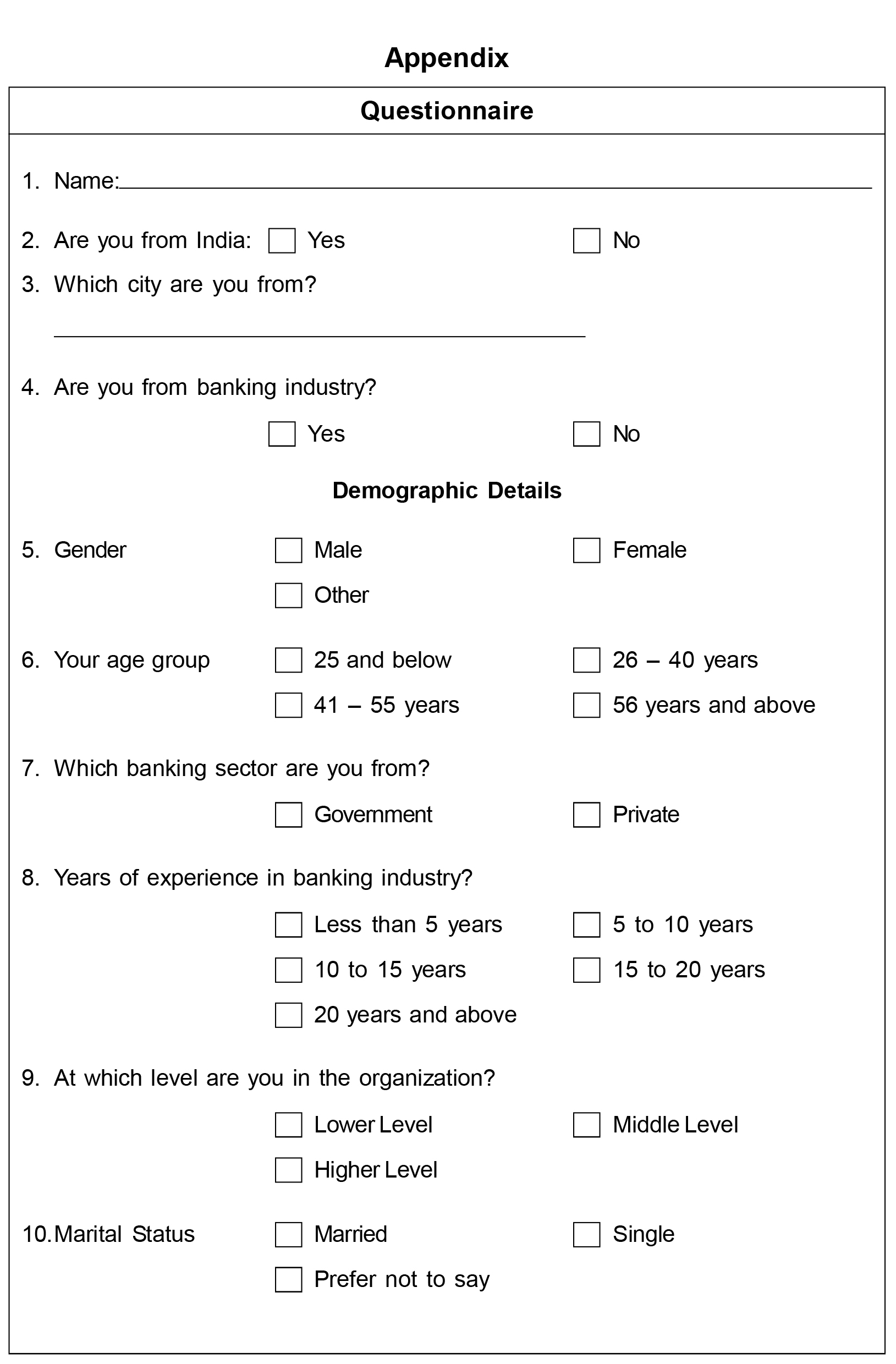
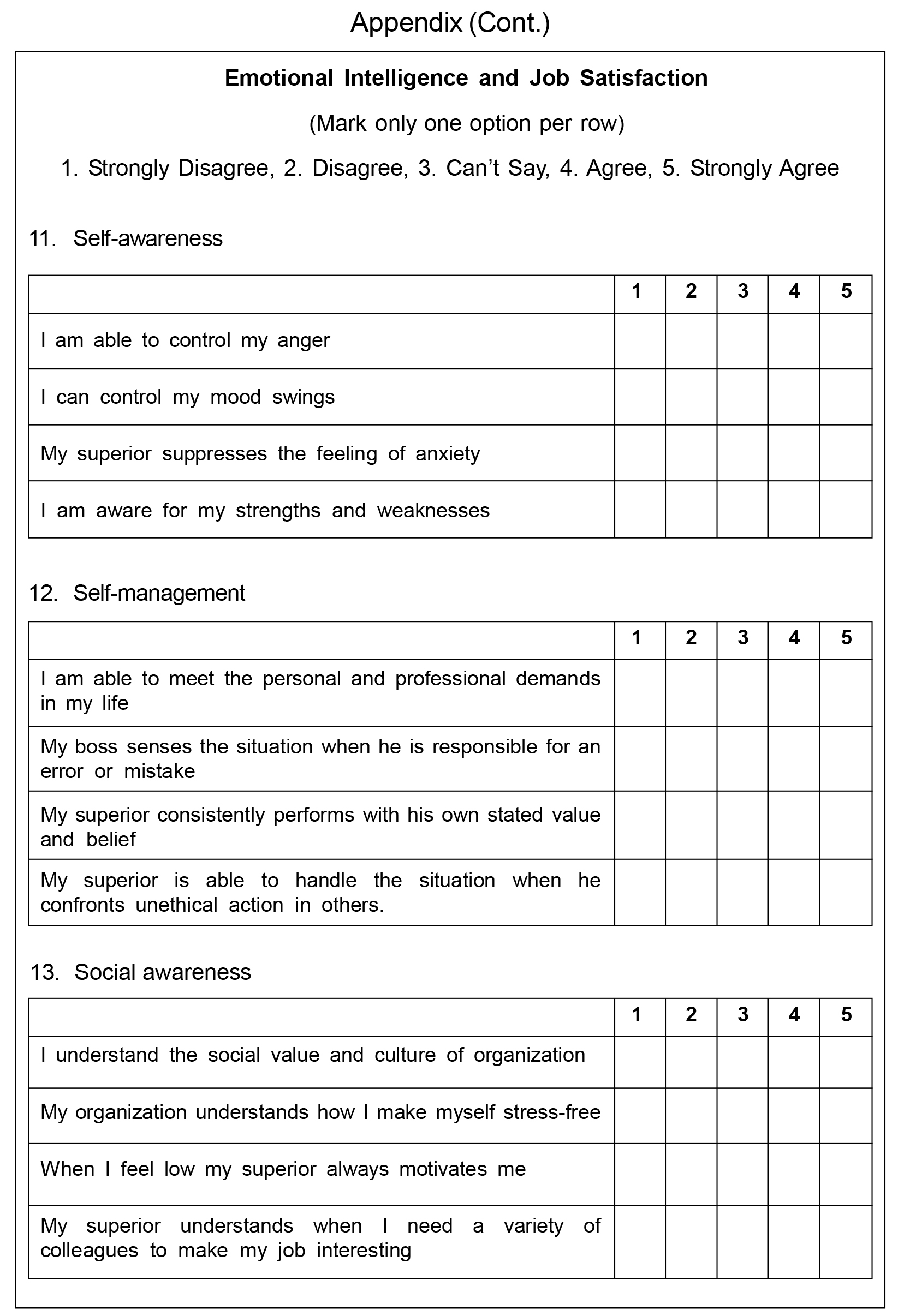
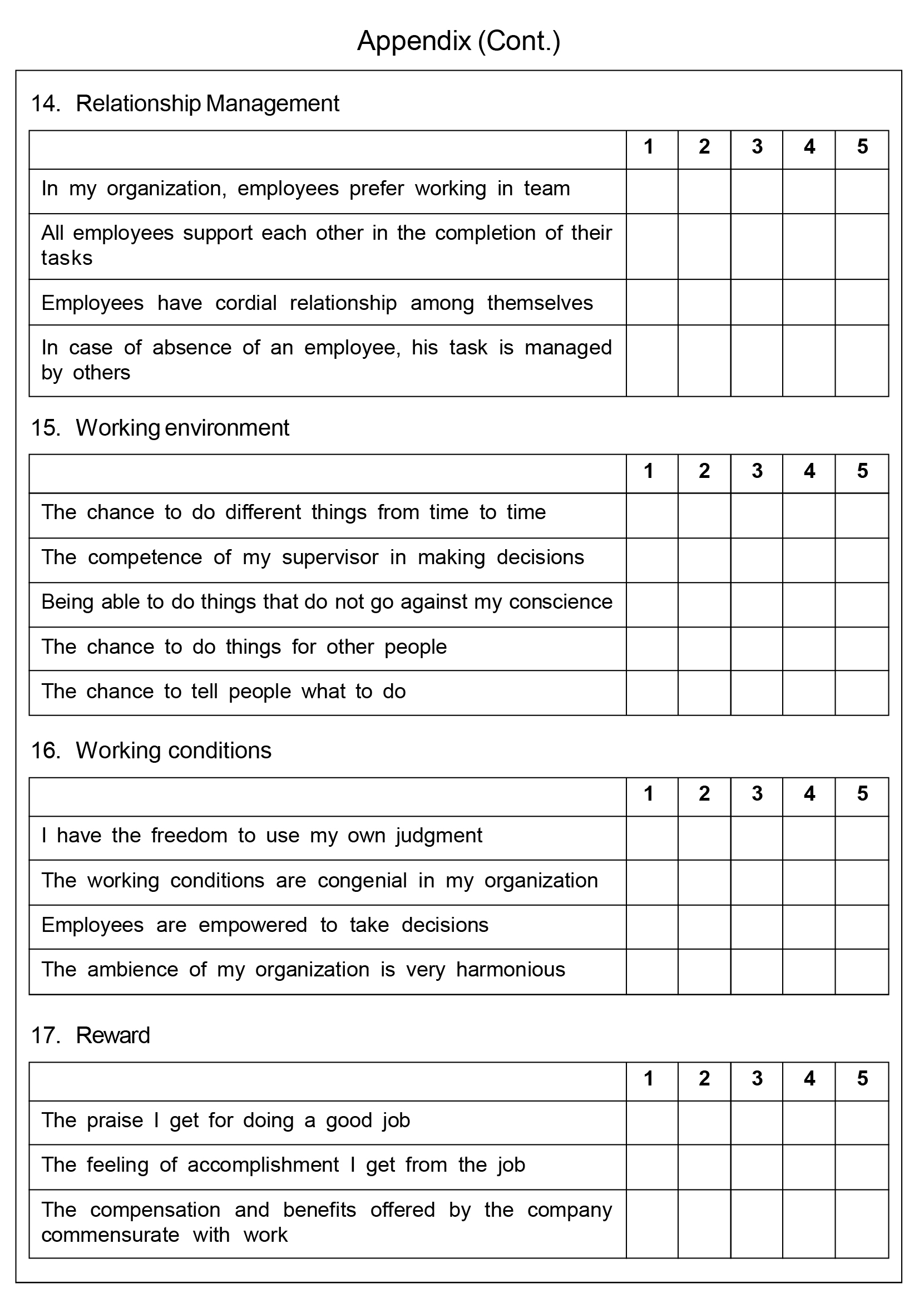
This study is exploratory in nature and employs a descriptive research methodology, collecting and analyzing primary data through a structured questionnaire administered via a survey technique. Responses were collected using convenient and quota sampling techniques. Quota sampling technique was utilized so that we could compare different subgroups and get a clear picture of the effect of emotional intelligence on work satisfaction among professionals working in the banking sector. Due to the ongoing pandemic situation, the data collection was primarily conducted through online mode. A link to the questionnaire (see Appendix) was created using a web survey tool (Google Form), and a well-structured, sequentially organized questionnaire was posted on social media (LinkedIn and Facebook), and was also delivered to prospective respondents' email addresses and WhatsApp numbers. They responded through the e-link. Due to the Covid-19 pandemic, only online data collection techniques were utilized, and no physical questionnaires were sent to respondents. Any employee working in the banking industry (both government and private banks) across the country could participate in the study. There were two sections in the questionnaire. The first section collected demographic data from the respondents, and the second elicited responses about emotional intelligence and its effect on work satisfaction among banking professionals. In all, 600 responses were received within the specified time frame. All respondents answered the same questions.
Analysis of the demographics of the survey respondents indicates that of the 600 respondents, 52.7% were male, while the rest were female. As for the age of the respondents, 33.5% were under the age of 25; 54% were between the ages of 26 and 40; and 12.5% were above the age of 41 (10.5% were between the ages of 41 and 55, and 2% were between the ages of 56 and above). As a majority of the respondents fall under the age group of 25-40 years, i.e., a young age group, the results of the analysis primarily reflect the opinion of this section. As for the respondents, it was observed that 48% of the respondents were from government banks, whereas 52% were from private banks, equally representative of both sectors. However, since the private sector bank respondents were slightly higher in number, the results will be affected by their perception. Regarding respondents' experience levels, 48.3% reported having less than five years of experience; 23.2% reported having five to ten years of experience; and 26.5% reported having more than ten years of experience (19.5% reported having 10-15 years of experience and 6% reported having 15-20 years) in the banking sector. Thus, a large number of participants were found to have less than 10 years of experience. As regards the level at which respondents were working in the organization, it was observed that 65% of the respondents were from the middle level; 23% from the lower level and 13% from the higher level in the organization. Thus, a majority of the respondents were found to be from the middle management level, so it comfortably represents their perception. These demographic details of the respondents are necessary for appropriate interpretation and understanding of the results. Correlation analysis, Analysis of Variance (ANOVA), and regression analysis were carried out. In addition to tool creation, pre-test, sampling, data collection, and selection of suitable statistical methods, the study utilized both quantitative and qualitative methodologies to validate the theoretical construct.
Variables
The variables that have been used in the present research-dependent variable (work satisfaction) and an independent variable (emotional intelligence)-are the constructs for the study. A 5-point Likert scale was used to assess these factors.
Results and Discussion
To answer the research question on the effect emotional intelligence on work satisfaction among banking professionals, the following calculations were carried out. The findings of the hypothesis test are summarized below.
The dependent variable, i.e., work satisfaction, and an independent variable, i.e., emotional intelligence, are shown in Table 2. It is found that mean value of emotional intelligence is higher than that of work satisfaction.
Table 3 shows the results of correlation test between both variables. According to the findings, work satisfaction and emotional intelligence have a positive and substantial relationship.
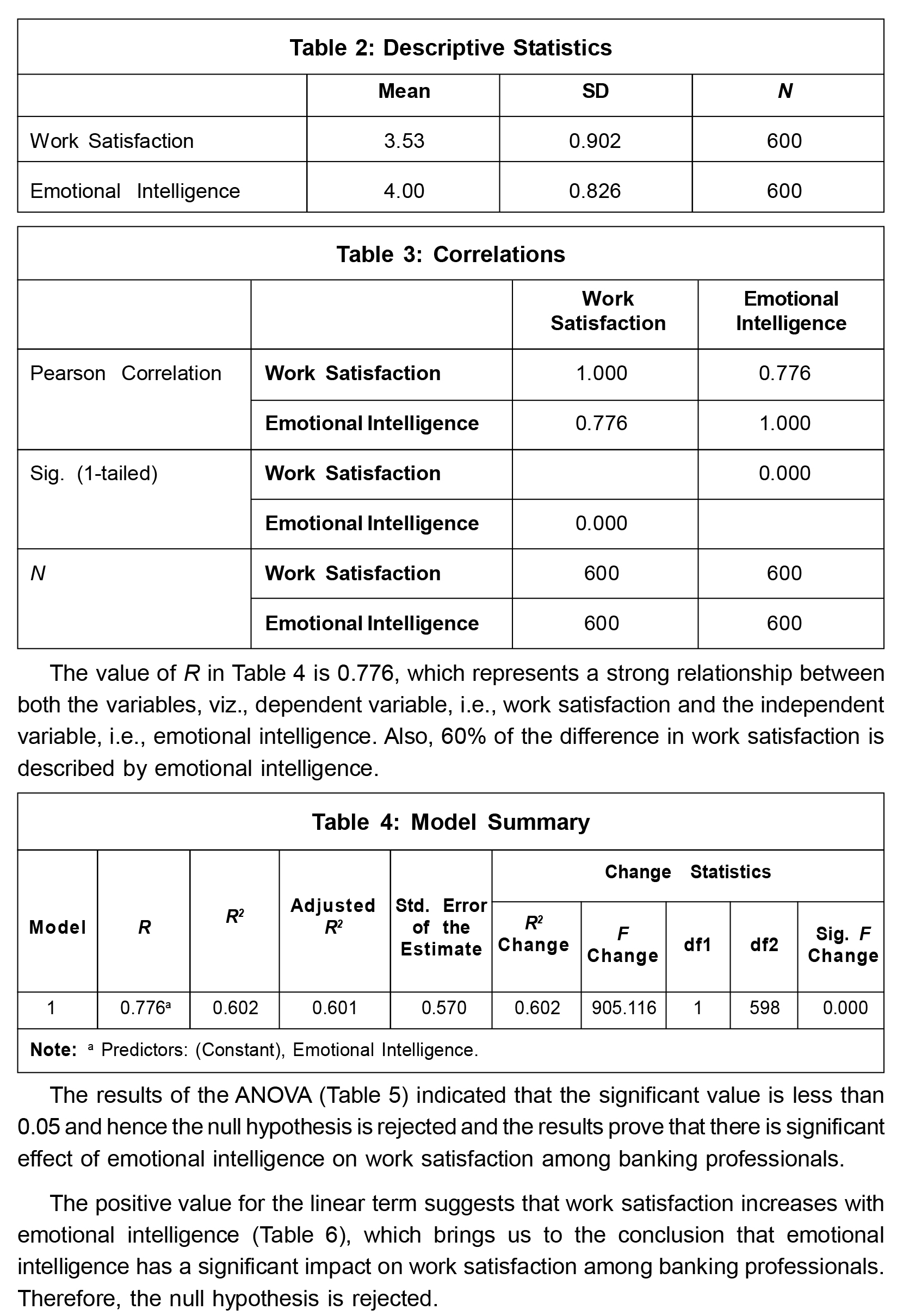
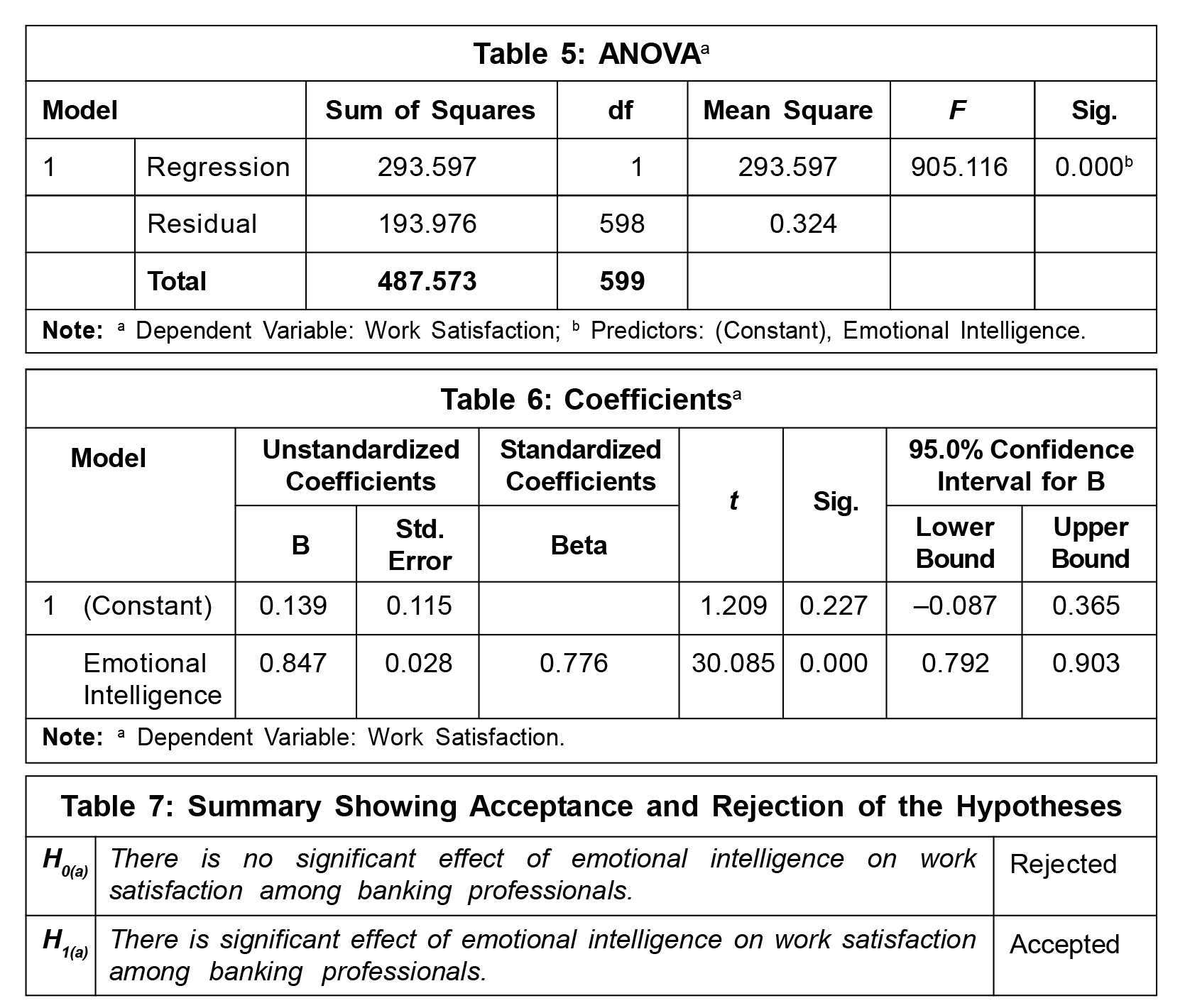
As a result of the above findings as summarized in Table 7, we conclude that emotional intelligence has a substantial impact on work satisfaction among banking professionals.
Additionally, the findings of hypothesis testing indicate that emotional intelligence has a greater mean value than work satisfaction and that there is a significant positive connection between work satisfaction and emotional intelligence. Also, "a strong relationship between emotional intelligence and work satisfaction" is established by model summary.
Further, the ANOVA test results show that there is a significant effect of emotional intelligence on work satisfaction. Furthermore, the findings indicate that when the value of emotional intelligence rises, the value of work satisfaction increases as well.
Conclusion
The purpose of this study was to determine the effect of emotional intelligence on work satisfaction among banking professionals. Statistical analysis has bolstered the validity of the findings reached. On the basis of the statistical analysis (Table 7), we conclude that emotional intelligence has a substantial impact on work satisfaction among banking professionals. Individuals can also improve their productivity and effectiveness in any endeavor by increasing their emotional intelligence. They can also assist others in doing the same. Emotions play a vital role in both driving and guiding employees' code of conduct. People with a high EI score have greater interpersonal skills. Work satisfaction is an important component of the organizational environment as well as of management-employee relationships. Emotional intelligence has been shown to increase work satisfaction by lowering employees' negative emotions and increasing their positive ones. The study also shows that emotionally intelligent workers are much happier with their jobs and trust their coworkers more.
When we look at the role of banking professionals and their interactions with a large variety of people on a daily basis, it is quite evident that they require high emotional intelligence to deal with them. If they are able to succeed in these interactions with their customers and colleagues, they will have immense work satisfaction. They are more likely to become less stressed, show better productivity at work, and have stronger relationships among the colleagues and customers if they have a higher emotional intelligence. The modern world requires a higher degree of interpersonal connections, mutual understanding, and increased workplace efficiency. A thorough understanding of other people's emotions and the capacity to regulate them may assist an individual in achieving success and pleasure in his or her work. Work satisfaction is a critical aspect of the organizational environment and a critical component of management-employee relationships. It is a pleasant emotional state that happens when a person's work seems to fulfil significant work values; these values are consistent with the individual's requirements.
Based on the above study, the following recommendations are made: The employees should correctly perceive emotions and understand how it works for their benefit. Increasing the connect within the organization results in complete work satisfaction and hence it should be promoted in an organization. There should be a committed relationship between an employee and manager for greater employee work satisfaction. Organizations should focus on providing "emotional intelligence" or "emotional competence" training for enhancing performance of their employees.
Implications: Firstly, the study clearly shows that emotional intelligence is directly related to job satisfaction amongst banking professionals. The higher the emotional intelligence amongst the employees, the higher their job satisfaction level, which will directly lead to improved employee productivity, higher efficiency, better customer relationships, and a positive work environment. The banking organizations, which are an important part of the service industry, should give due importance to the emotions and emotional intelligence of their employees so as to increase job satisfaction.
There is a paucity of studies on banking employees in India, so this study will be very helpful for the banking sector. As there is a strong link between emotional intelligence and job satisfaction among banking professionals, specialists may offer training on self-awareness, social awareness, self-management, and relationship management.
Limitations and Future Scope: One of the major limitations was the inability to physically interact with respondents due to Covid-19, due to which the survey was done through different social media platforms. Although we contacted respondents from all age groups, a majority of the responses received were from these in the age group of 26 and 40, which weighted the study's findings toward a specific generation. Another limitation faced by the study was the language barrier, as some respondents found the language to be a bit confusing.
The present study measures the effect of emotional intelligence on work satisfaction among professionals working in the banking sector. Therefore, there is a scope for further research concentrating on other constructs like stress, etc. This study also takes into consideration the perspectives of both public and private sector banking employees. These groups can also be taken independently for separate detailed studies. A comparative study may also be done on these groups.
References
- Alferaih A (2017), "Conceptual Model for Measuring Saudi Banking Managers' Job Performance Based on their Emotional Intelligence (EI)", International Journal of Organizational Analysis, Vol. 25, pp. 123-145, doi: 10.1108/IJOA-10-2014-0807.
- Altyndag E and Kosedagy Y (2015), "The Relationship Between Emotional Intelligence of Managers, Innovative Corporate Culture and Employee Performance", Procedia - Social and Behavioral Sciences, Vol. 210, pp. 270-282, doi: 10.1016/j.sbspro.2015.11.367.
- Ansari A H and Malik S (2017), "Ability-Based Emotional Intelligence and Knowledge Sharing: The Moderating Role of Trust in Co-Workers", VINE Journal of Information and Knowledge Management Systems, Vol. 47, No. 2, pp. 211-227, available at https://doi.org/10.1108/VJIKMS-09-2016-0050
- Bhardwaj A, Mishra S and Jain K T (2020), "An Analysis to Understanding the Job Satisfaction of Employees in Banking Industry", Materials Today: Proceedings, S2214785320334374, doi: 10.1016/j.matpr.2020.04.783.
- Chatterjee A and Kulakli A (2015), "An Empirical Investigation of the Relationship Between Emotional Intelligence, Transactional and Transformational Leadership Styles in Banking Sector", Procedia - Social and Behavioral Sciences, Vol. 210, pp. 291-300, doi: 10.1016/j.sbspro.2015.11.369.
- Day A, Crown S N and Ivany M H (2017), "Organizational Change and Employee Burnout: The Moderating Effects of Support and Job Control", Safety Science, S0925753517304277-. doi:10.1016/j.ssci.2017.03.004
- Di Fabio A and Kenny M E (2019), "Resources for Enhancing Employee and Organizational Well-Being Beyond Personality Traits: The Promise of Emotional Intelligence and Positive Relational Management", Personality and Individual Differences, p. 151, Article 109278, available at https://doi.org/10.1016/j.paid.2019.02.022
- Doucet L, Shao B, Wang L and Oldham G (2015), "I Know How You Feel, But It Does Not Always Help: Integrating Emotion Recognition, Agreeableness, and Cognitive Ability in a Compensatory Model of Service Performance", Journal of Service Management, Vol. 10, doi: 1108/JOSM-11-2014-0307.
- Elfenbein H and Maccann C (2017), "A Closer Look at Ability EmotionalIntelligence (EI): What are its Component Parts, and How Do They Relate to Each Other?", Social and Personality Psychology Compass, 11. e12324. 10.1111/spc3.12324.
- Garg K, Dar I A and Mishra M (2018), "Job Satisfaction and Work Engagement: A Study Using Private Sector Bank Managers", Advances in Developing Human Resources, Vol. 20, No. 1, pp. 58-71, available at https://doi.org/10.1177/1523422317742987
- George E and Zakkariya K A (2015), "Job Related Stress and Job Satisfaction: A Comparative Study Among Bank Employees", Journal of Management Development, Vol. 34, No. 3, pp. 316-329, available at https://doi.org/10.1108/JMD-07-2013-0097
- Goleman D (1995), Emotional Intelligence, Bantam Books, New York.
- Humphrey N, Lendrum A and Wigelsworth M (2010), Social and Emotional Aspects of Learning (SEAL) Programme in Secondary Schools: National Evaluation, Department for Education, London.
- Kotsou I, Mikolajczak M, Heeren A et al. (2019), "Improving Emotional Intelligence: A Systematic Review of Existing Work and Future Challenges", Emotion Review, Vol. 11, No. 2, pp. 151-165, available at https://doi.org/10.1177/1754073917735902
- Mayer J D, Salovey P and Caruso D R (2004), "Emotional Intelligence: Theory, Findings and Implications", Psychological Inquiry, Vol. 15, No. 3, pp. 197-215, DOI: 10.1207/s15327965pli1503_02
- Mayer J D, Salovey P and Caruso D R (2008), "Emotional Intelligence: New Ability or Eclectic Traits?", American Psychologist, Vol. 63, No. 6, pp. 503-517, available at https://doi.org/10.1037/0003-066X.63.6.503
- Makkar S and Basu S (2019), "The Impact of Emotional Intelligence on Workplace Behaviour: A Study of Bank Employees", Global Business Review, Vol. 20, No. 2, pp. 458-478, available at https://doi.org/10.1177/0972150917713903
- Mattingly V and Kraiger K (2019), "Can Emotional Intelligence be Trained? A Meta-Analytical Investigation", Human Resource Management Review, Vol. 29, No. 2, pp. 140-155, available at https://doi.org/10.1016/j.hrmr.2018.03.002
- Mayer J D and Salovey P (1997), "What is Emotional Intelligence?", in P Salovey and D J Sluyter (Eds.), Emotional Development and Emotional Intelligence: Educational Implications, pp. 3-31, Basic Books, New York.
- Mayer J D, Salovey P and Caruso D R (2004), "Emotional Intelligence: Theory, Findings and Implications", Psychological Inquiry, Vol. 15, No. 3, pp. 197-215, DOI: 10.1207/s15327965pli1503_02
- Mayer J D, Salovey P and Caruso D R (2008), "Emotional Intelligence: New Ability or Eclectic Traits?", American Psychologist, Vol. 63, No. 6, pp. 503-517, available at https://doi.org/10.1037/0003-066X.63.6.503
- Miao C, Humphrey R H and Qian S (2017), "A Metaanalysis of Emotional Intelligence and Work Attitudes", Journal of Occupational and Organizational Psychology, Vol. 90, No. 2, pp. 177-202, available at https://doi.org/10.1111/joop.12167
- Miller J (1980), "Individual and Occupational Determinants of Job Satisfaction: A Focus on Gender Differences", Sociology of Work and Occupations, Vol. 7, No. 3, pp. 337-366, available at https://doi.org/10.1177/073088848000700304
- Ozbag G K and Ceyhun G C (2014), "Does Job Satisfaction Mediate the Relationship between Work-family Conflict and Turnover? A study of Turkish Marine Pilots", Social and Behavioral Sciences, Vol. 140, pp. 643-649. doi: 10.1016/j.sbspro.2014.04.485
- Petrides K V (2011), "Ability and Trait Emotional Intelligence", in T Chamorro-Premuzic, S von Stumm and A Furnham (Eds.), The Wiley-Blackwell Handbook of Individual Differences, pp. 656-678, Wiley Blackwell.
- Petrides K V and Furnham A (2001), "Trait Emotional Intelligence: Psychometric Investigation with Reference to Established Trait Taxonomies", European Journal of Personality, Vol. 15, No. 6, pp. 425-448, available at https://doi.org/10.1002/per.416
- Petrides K V and Furnham A (2003), "Trait Emotional Intelligence: Behavioral Validation in Two Studies of Emotion Recognition and Reactivity to Mood Induction", European Journal of Personality, Vol. 17, No. 1, pp. 39-57, available at https://doi.org/10.1002/per.466
- Petrides K V, Mikolajczak M, Mavroveli S et al. (2016), "Developments in Trait Emotional Intelligence Research", Emotion Review, Vol. 8, No. 4, pp. 335-341, available at https://doi.org/10.1177/1754073916650493
- Prentice C (2013), "Emotional Labor and its Consequences: The Moderating Effect of Emotional Intelligence", Individual Sources, Dynamics and Expressions of Emotion, pp. 187-201, Emerald Group Publishing Limited, UK.
- Pool L D and Qualter P (2012), "Improving Emotional Intelligence and Emotional Self-Efficacy Through a Teaching Intervention for University Students", Learning and Individual Differences, Vol. 22, No. 3, pp. 306-312, ISSN 1041-6080, https://doi.org/10.1016/j.lindif.2012.01.010.
- Prentice C, Chen P and King B (2013), "Employee Performance Outcomes and Burnout Following the Presentation-of-Self in Customer-Service Contexts", International Journal of Hospitality Management, Vol. 35, pp. 225-236, doi: 10.1016/j.ijhm.2013.06.007.
- Rezvani A, Chang A, Wiewiora A et al. (2016), "Manager Emotional Intelligence and Project Success: The Mediating Role of Job Satisfaction and Trust", International Journal of Project Management, Vol. 34, pp. 1112-1122, doi: 10.1016/j.ijproman. 2016.05.012.
- Rowden R W and Conine C T (2005), "The Impact of Workplace Learning on Job Satisfaction in Small US Commercial Banks", Journal of Workplace Learning, Vol. 17, No. 4, pp. 215-230, available at https://doi.org/10.1108/13665620510597176
- Salami S and Ajitoni S (2016), "Job Characteristics and Burnout: The Moderating Roles of Emotional Intelligence, Motivation and Pay Among Bank Employees", International Journal of Psychology, Vol. 51, No. 5, pp. 375-382.
- Salovey P and Mayer J D (1990), "Emotional Intelligence", Imagination, Cognition and Personality, Vol. 9, No. 3, pp. 185-211, available at https://doi.org/10.2190/DUGG-P24E-52WK-6CDG
- Schutte N S and Loi N M (2014), "Connections Between Emotional Intelligence and Workplace Flourishing", Personality and Individual Differences, Vol. 66, pp. 134-139, available at https://doi.org/10.1016/j.paid.2014.03.031
- Sekaran U (1989), "Paths to the Job Satisfaction of Bank Employees", Journal of Organizational Behavior, Vol. 10, No. 4, pp. 347-359, available at https://doi.org/10.1002/job.4030100405
- Serrat O (2017), "Understanding and Developing Emotional Intelligence", in Knowledge Solutions, pp. 329-339, Springer, Singapore, available at https://doi.org/10.1007/978-981-10-0983-9_37
- Siengthai S and Pila-Ngarm P (2016), "The Interaction Effect of Job Redesign and Job Satisfaction on Employee Performance", Evidence-based HRM: A Global Forum for Empirical Scholarship, Emerald Group Publishing Limited, Vol. 4, pp. 162-180, doi: 10.1108/EBHRM-01-2015-0001.
- Singh S and Arora R (2011), "A Comparative Study of Banking Services and Customer Satisfaction in Public, Private and Foreign Banks", Journal of Economics, Vol. 2, No. 1, pp. 45-56, doi: 10.1080/09765239.2011.11884936.
- Thory K (2016), "Developing Meaningfulness at Work Through Emotional Intelligence Training", International Journal of Training and Development, Vol. 20, No. 1, pp. 58-77.
- Udayar S, Fiori M and Bausseron E (2020), "Emotional Intelligence and Performance in a Stressful Task: The Mediating Role of Self-Efficacy", Personality and Individual Differences, Vol. 156, pp. 109790, available at https://doi.org/10.1016/j.paid.2019. 109790.
- Vila L E, Garcia A A and Mora J G (2007), "The Distribution of Job Satisfaction Among Young European Graduates: Does the Choice of Study Field Matter?", The Journal of Higher Education, Vol. 78, pp. 97-118.
- Yoo J and Jeong J (2017),"The Effects of Emotional Labor on Work Engagement and Boundary Spanner Creativity", Asia Pacific Journal of Innovation and Entrepreneurship, Vol. 11, No. 2, pp. 214-232, available at https://doi.org/10.1108/APJIE-08-2017-028
- Yukl G (1981), Leadership in Organizations, 9th Edition, Pearson Education India.
- Yun S, Jung W, Heon Han S and Park H (2015), "Critical Organizational Success Factors for Public Private Partnership Projects - A Comparison of Solicited and Unsolicited Proposals", Journal of Civil Engineering and Management, Vol. 21, No. 2, pp. 131-143, available at https://doi.org/10.3846/13923730.2013.802715